The Diamond Route’s Spectacular Snowy Scenery and Winter Activities
Join us today on the Diamond Route, a sightseeing route connecting Tokyo with Fukushima, Ibaraki, and Tochigi Prefectures. Today, we take a look at the breathtaking snowy landscapes and exciting winter activities that the Diamond Route has to offer.
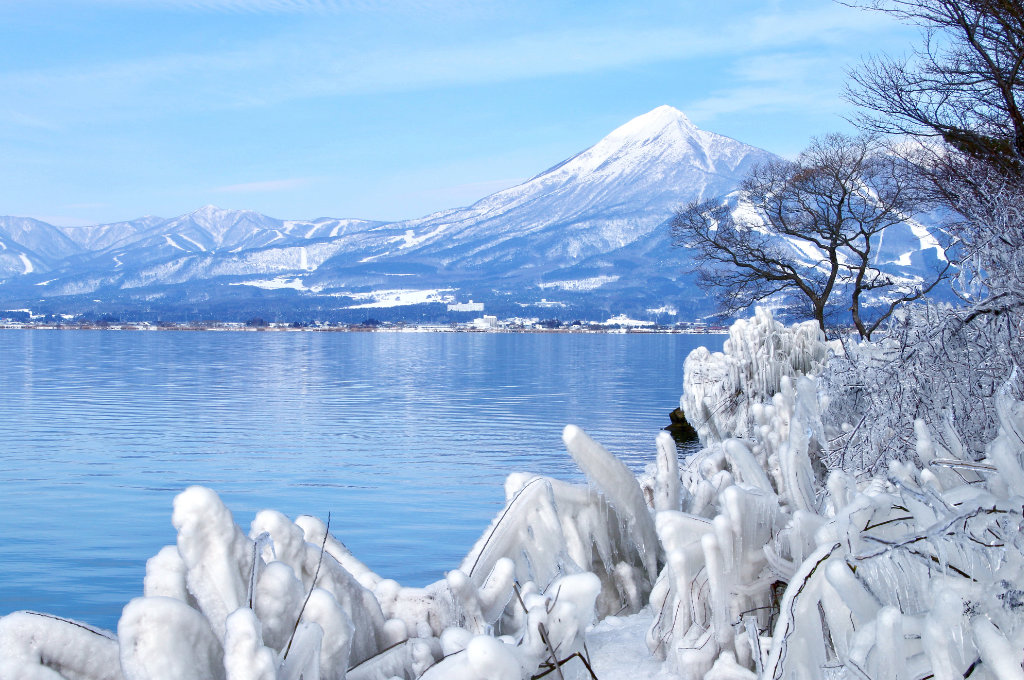
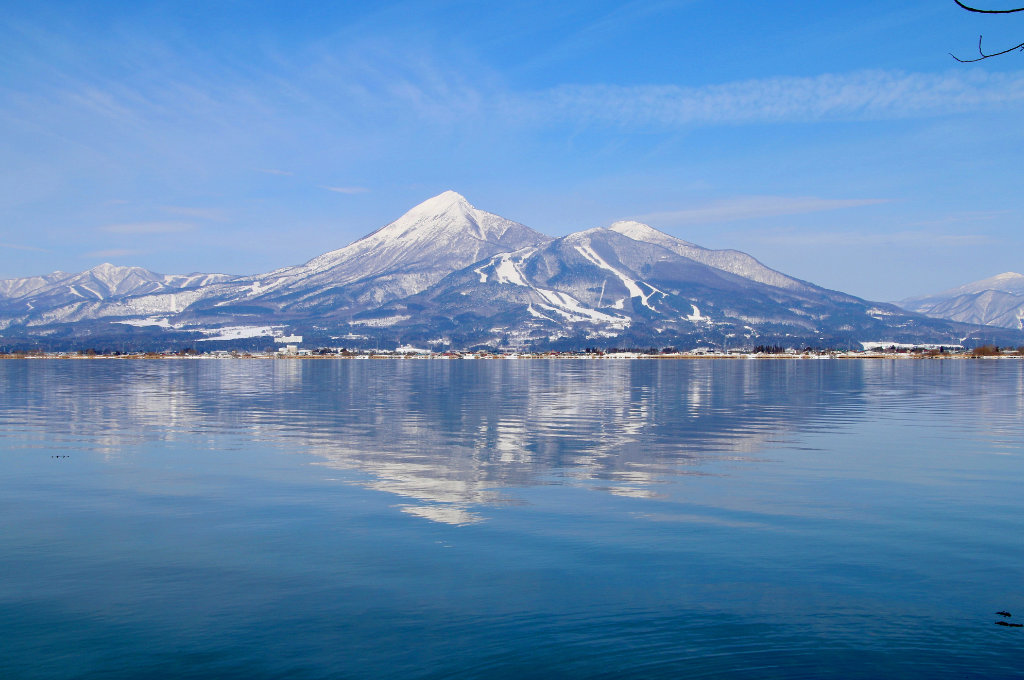
Inawashiro Lake – Ice Spray Phenomenon
First, we have Inawashiro Lake and the Ice Spray Phenomenon. This is a breathtaking natural winter spectacle in Fukushima where waves from Lake Inawashiro freeze instantly upon striking the shoreline, forming towering ice sculptures known as Shibuki-ice. Set against the backdrop of Mt. Bandai, this rare phenomenon creates a dramatic and otherworldly landscape that can only be seen during the coldest months of the year.
- Access:
- Approximately 30 minutes by car from the Bandai Atami IC Tours are free, but depending on the weather conditions, you may not be able to see the ice spray.
- Contact:
- Koriyama City Konanmachi Tourism Association
024-983-2117 - Website:
- https://www.kanko-koriyama.gr.jp/tourism/detail2-1-499.html
*Japanese only
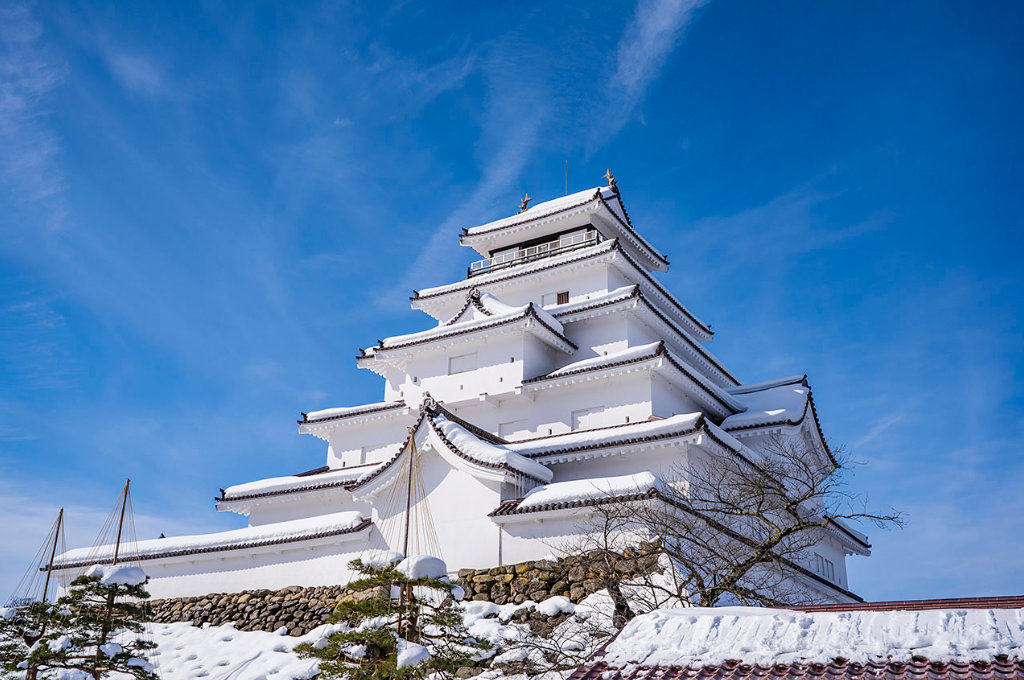
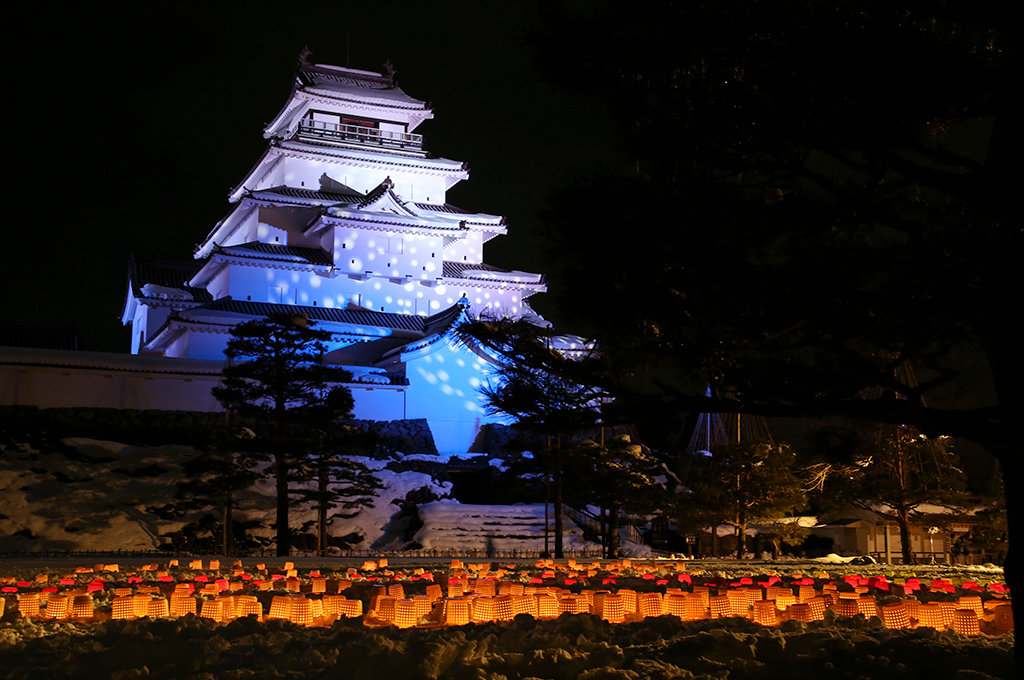
Tsuruga Castle in Winter
In winter, Tsuruga Castle in the Aizu-Wakamatsu area of Fukushima transforms into a scene of pure Japanese elegance, with its white walls and red roof contrasting beautifully against fresh snow. Illuminated at night, the castle offers a serene and romantic atmosphere, allowing visitors to experience samurai history wrapped in a tranquil winter setting. If you visit in February, you can see the Aizu Painted Candle Festival, featuring hundreds of beautifully lit up painted candles around the castle grounds, illuminating the area in a warm winter glow.
- Access:
- From Tokyo: Take the JR Tohoku Shinkansen to Koriyama Station (approx. 80 mins), then transfer to the JR Ban-etsu West Line to Aizu-Wakamatsu Station (approx. 65-75 mins).
- Festival dates:
- Feb. 13 - 14, 2026, 5:30 PM to 8:30 PM
- Tohoku Tourism Website:
- https://www.tohokukanko.jp/en/attractions/detail_10016.html
Ouchijuku in Winter
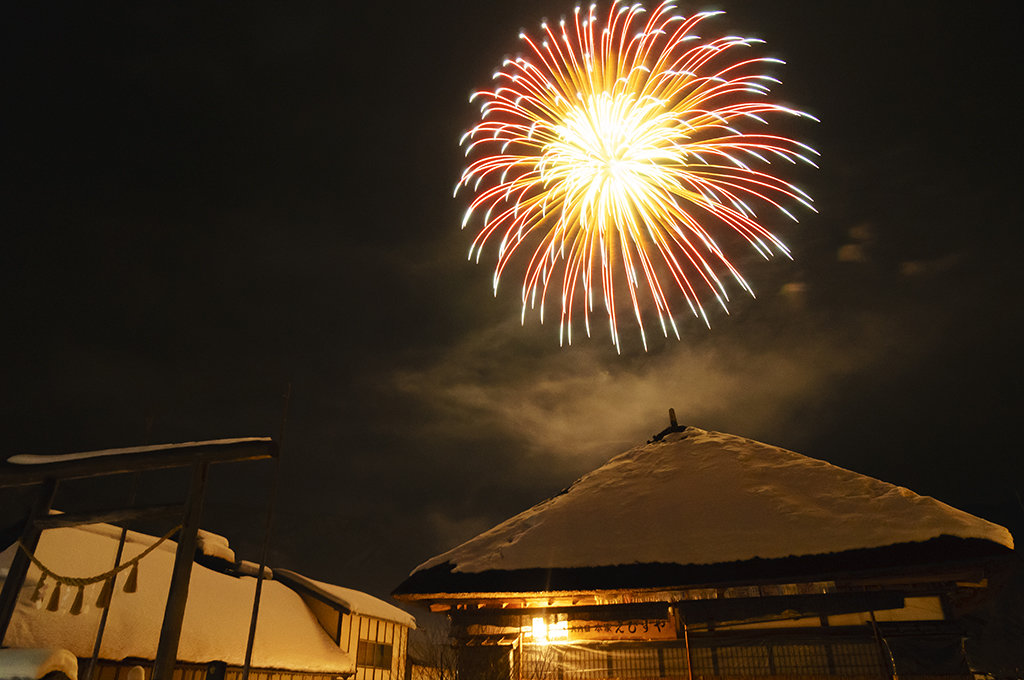
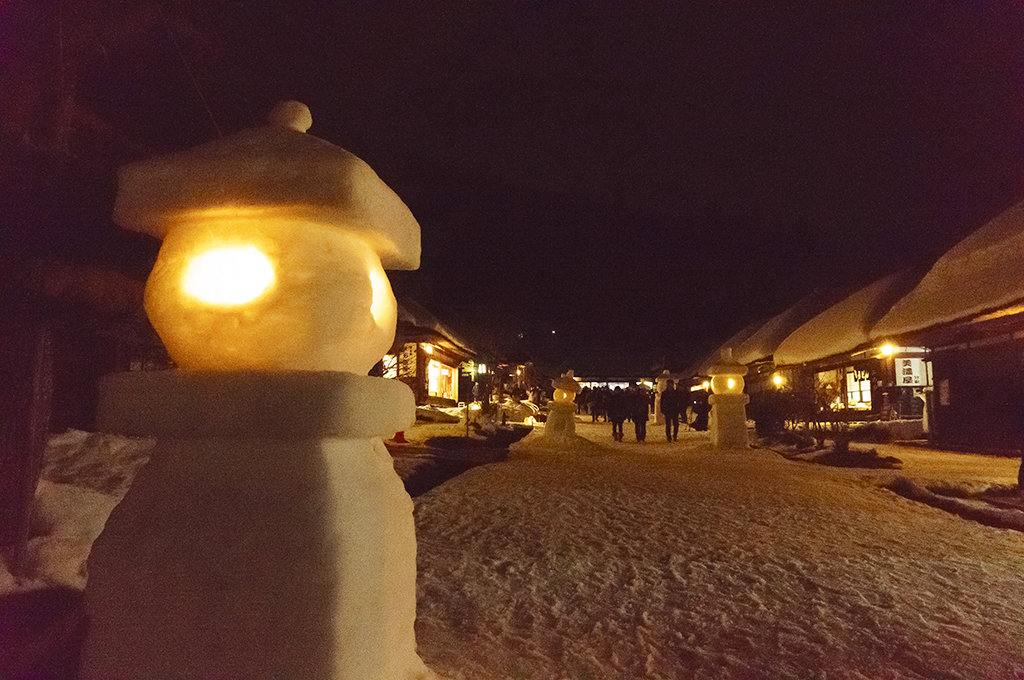
Next is Ouchijuku in the Minamiaizu District of Fukushima. This preserved Edo-period post town becomes a true winter fairy tale when blanketed in snow. Thatched-roof houses line the street, glowing warmly with lantern light and hearth smoke.
The famous annual Snow Festival is held every February, featuring a flaming torch parade and a vibrant fireworks display. Visitors can enjoy hot soba noodles, local crafts, and the nostalgic charm of old Japan in its most picturesque seasonal form.
- Access:
- From Tokyo, take the Shinkansen to Koriyama, then local trains to Yunokami Onsen Station, followed by a short bus ride (about 15 minutes). Total travel time is around 3–3.5 hours. By car, Ouchijuku is about 45 minutes from Aizu-Wakamatsu.
- Snow Festival dates:
- Feb. 14 - 15, 2026
- Fukushima Travel Website:
- https://fukushima.travel/destination/ouchi-juku-snow-festival/204
Tadami River Bridge No. 3
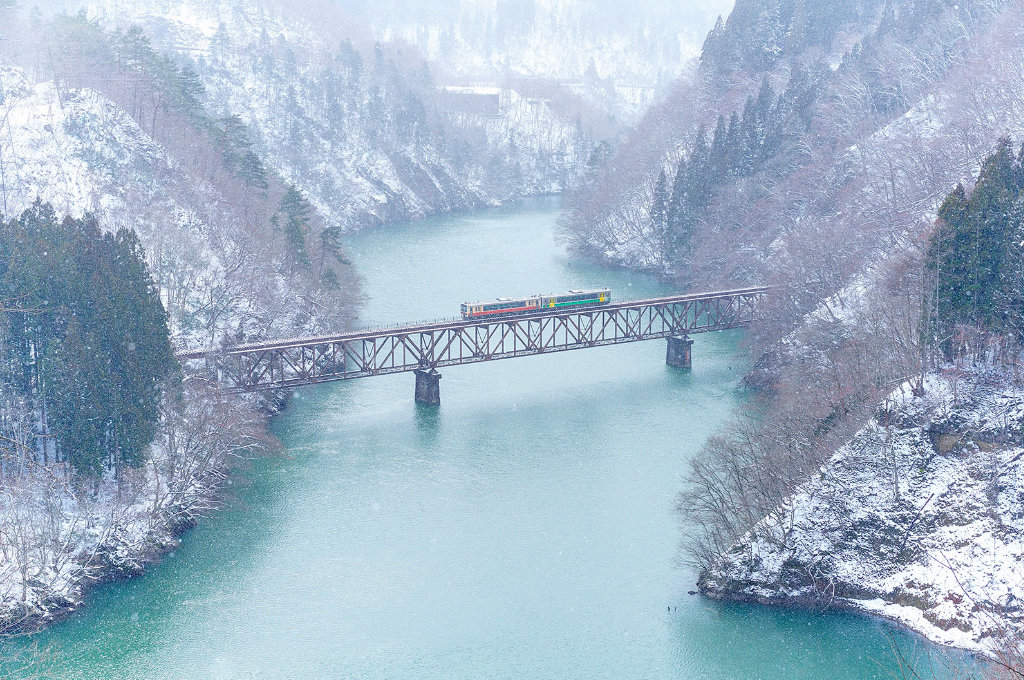
Renowned as one of Japan’s most scenic railway viewpoints, the Tadami River Bridge No. 3 is especially stunning in winter. Snow-covered forests, mist rising from the river, and the slow-moving train crossing the bridge create a dreamlike composition that attracts photographers from around the world.
- Access:
- From Aizu-Wakamatsu, take the JR Tadami Line to Aizu-Miyashita Station, then walk or drive a short distance to the nearby viewpoint along Route 252. By car, it is about 1 hour from Aizu-Wakamatsu.
The Diamond Route also has several spots where visitors can enjoy winter sports to the fullest! Ski and snowboard to your heart’s content, go on a snowshoeing adventure, or even camp out on an icy lake to do some winter fishing!
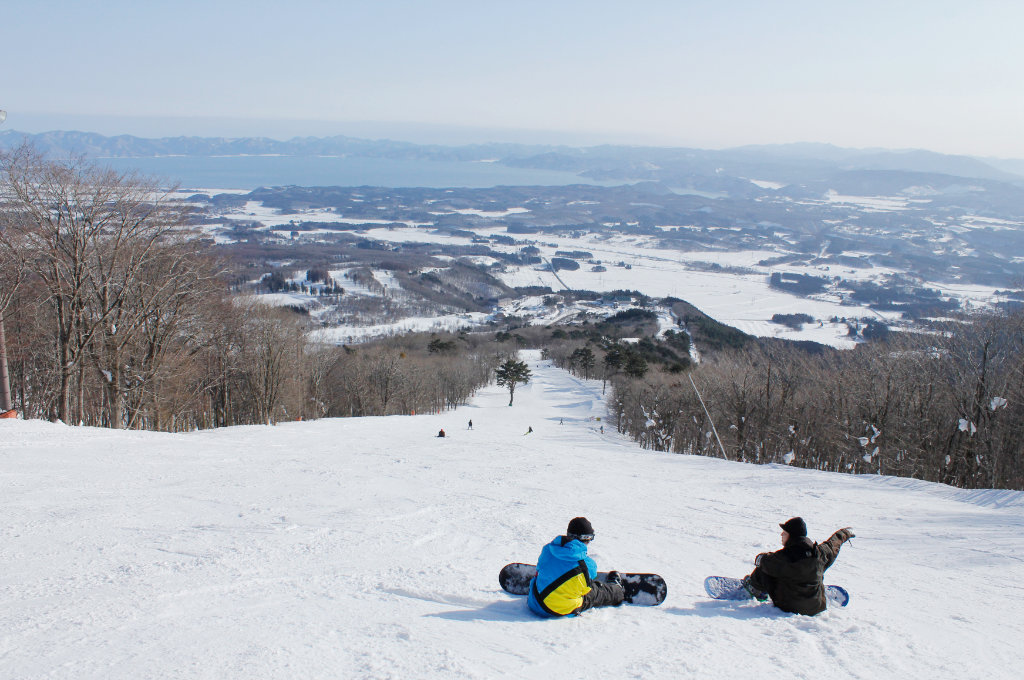
Hoshino Resorts NEKOMA Mountain
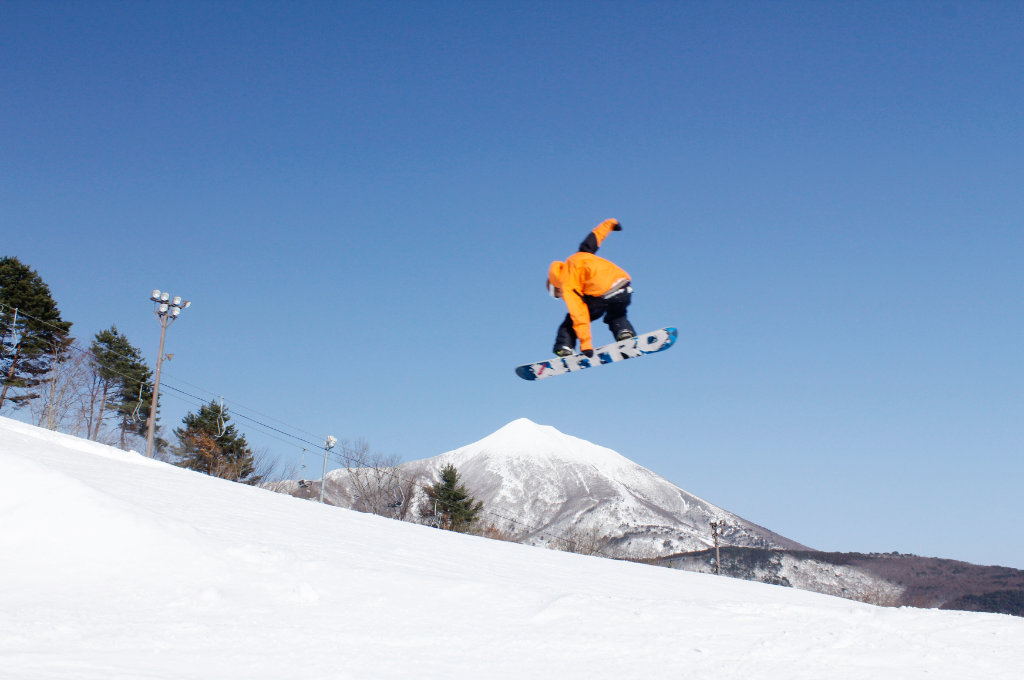
One of Fukushima’s premier ski resorts, NEKOMA Mountain is made up of Alts Bandai and Nekoma Ski Resort, offering expansive powder snow slopes ideal for skiers and snowboarders of all levels. With wide runs, panoramic mountain views, and family-friendly facilities, it is a perfect destination for enjoying authentic Japanese winter sports culture.
- Access:
- By car, it is about 15 minutes from Bandai-Kawato IC (South Area) or 30–40 minutes from Inawashiro-Bandai-Kogen IC (North Area).
By public transportation, you can take the Shinkansen to JR Koriyama Station, then paid direct shuttle buses are available from JR Koriyama Station (¥1,500, requires booking) or Aizu-Wakamatsu Station (¥1,000, requires booking). - Website:
- https://en.nekoma.co.jp/
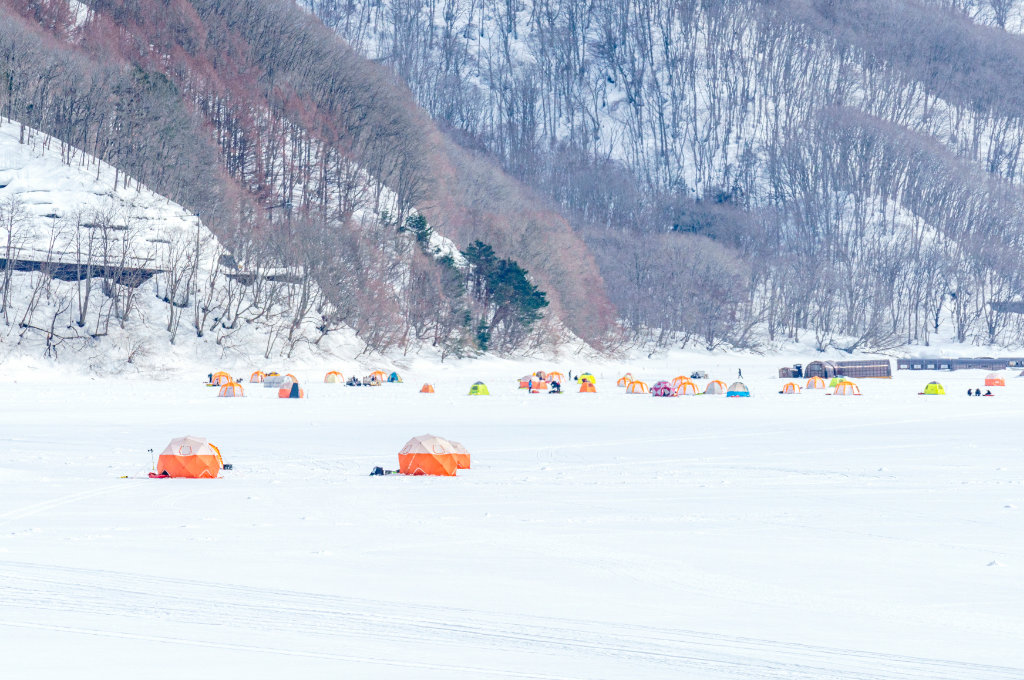
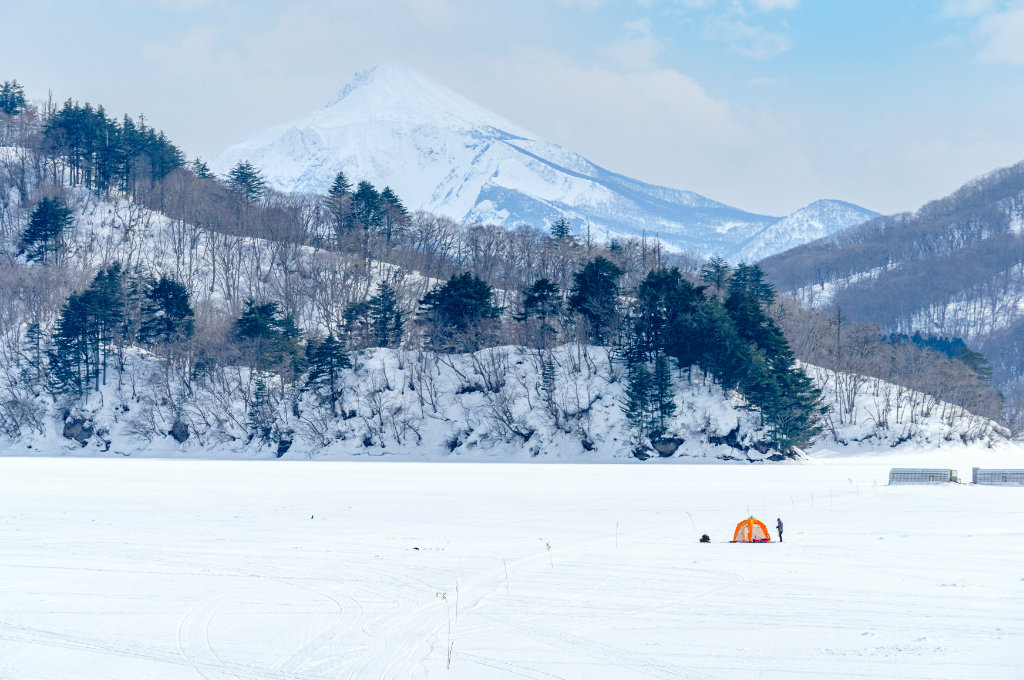
Lake Hibara (Ice camping and wakasagi fishing)
Lake Hibara in Fukushima Prefecture freezes over in the winter, allowing visitors to enjoy traditional smelt fishing (wakasagi-tsuri) inside heated ice tents. This unique experience combines outdoor adventure with comfort, offering families and travelers a fun and memorable way to interact with nature during Japan’s snowy season.
- Access:
- By Car: From Koriyama or Fukushima take the Ban’etsu West Line direction and then drive (via local roads) about 60–90 minutes to the Lake Hibara area. Parking is available near lakeside facilities.
By Train + Local Bus/Taxi: Take the JR Ban’etsu West Line to Inawashiro Station or Bandai Station, then use a local bus or taxi to reach Lake Hibara (bus services are seasonal and limited in winter). - Urabandai Tourism Website:
- https://www.urabandai-inf.com/en/?page_id=24207
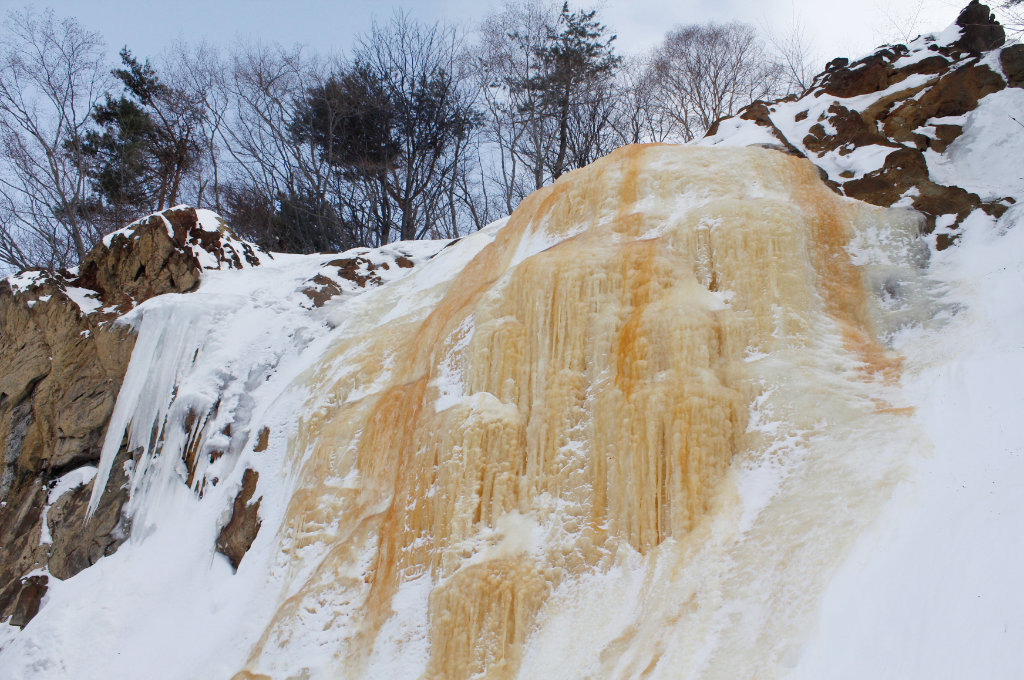
Yellow Falls
A hidden winter treasure of Fukushima, the Yellow Falls are formed when water containing sulfur and iron from the crater seeps out from the cliffs, gradually freezing and piling up to form yellow icefalls. On clear days, the contrast between the blue sky, white snow, and yellow icefall is beautiful. Reached by guided snow trekking, this adventure blends light mountaineering with awe-inspiring scenery, making it a highlight for nature lovers and winter explorers.
- Access:
- By car, drive about 30 min from Inawashiro/Imawatari area via Ban’etsu West Road and local routes to the Urabandai Ski Resort area where snowshoe trekking tours start.
By train + taxi, take the JR Ban’etsu West Line to Inawashiro Station, then a taxi (~30 min) to the trailhead. - Period:
- Late January - early May