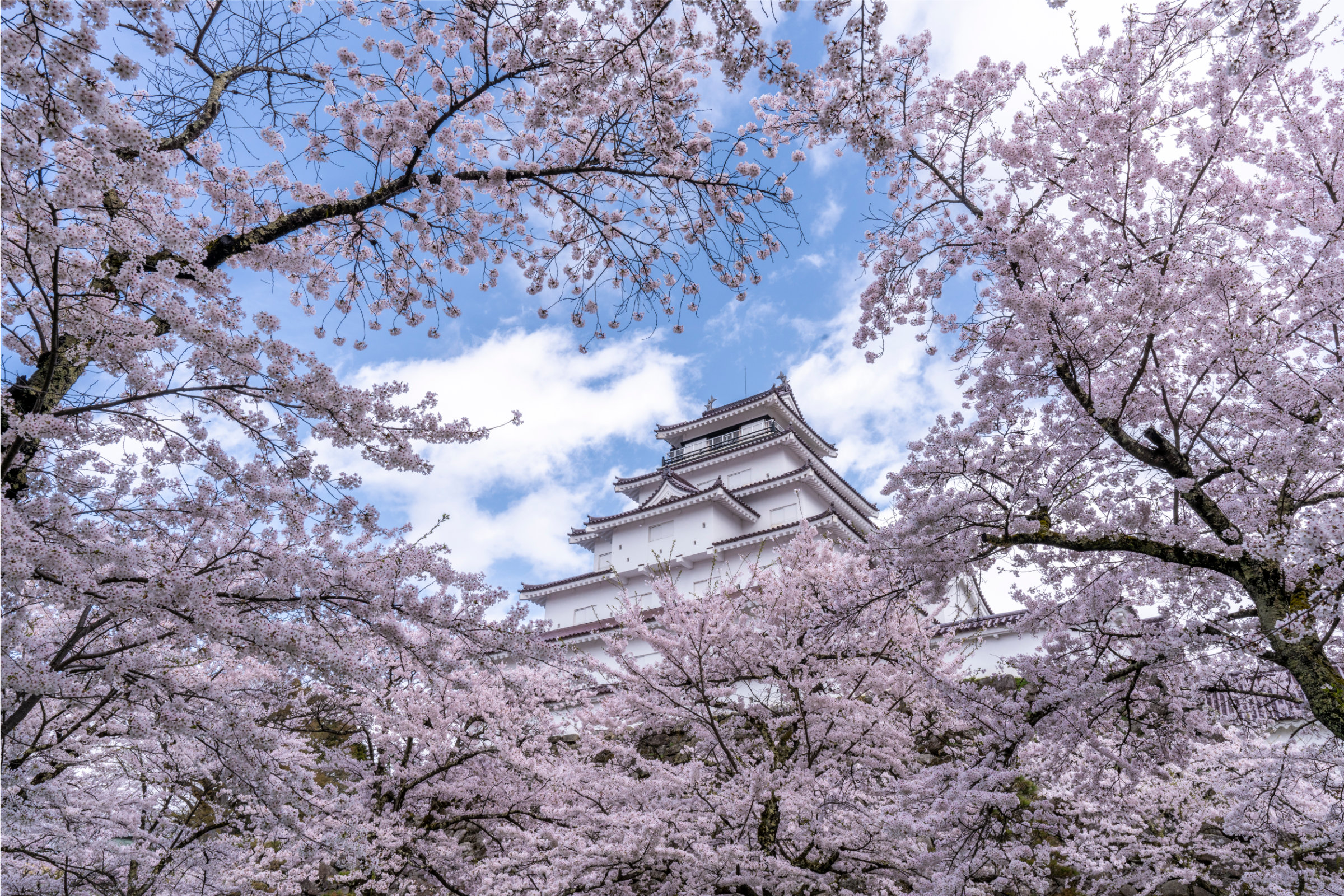
Samurai Culture that Transcends Time
The Aizu region of Fukushima Prefecture is known as a place where the spirit of Bushidō — the way of the samurai — remains deeply rooted to this day. During the turbulent final years of the Edo period, young warriors such as the members of the Byakkotai fought to the very end to protect the pride of the Aizu Domain. Their loyalty and bravery live on today as a moving story passed down through generations.
By visiting historical sites such as Tsuruga Castle, one can feel the spirit of the Aizu samurai who lived through those tumultuous times. Their way of life continues to embody the true essence of Japan’s samurai culture.
This edition of Diamond Route Japan: 2025 Travelogue will begin in the Aizu region, covering its enduring samurai heritage.
Tsuruga Castle — A Symbol of the Samurai Spirit
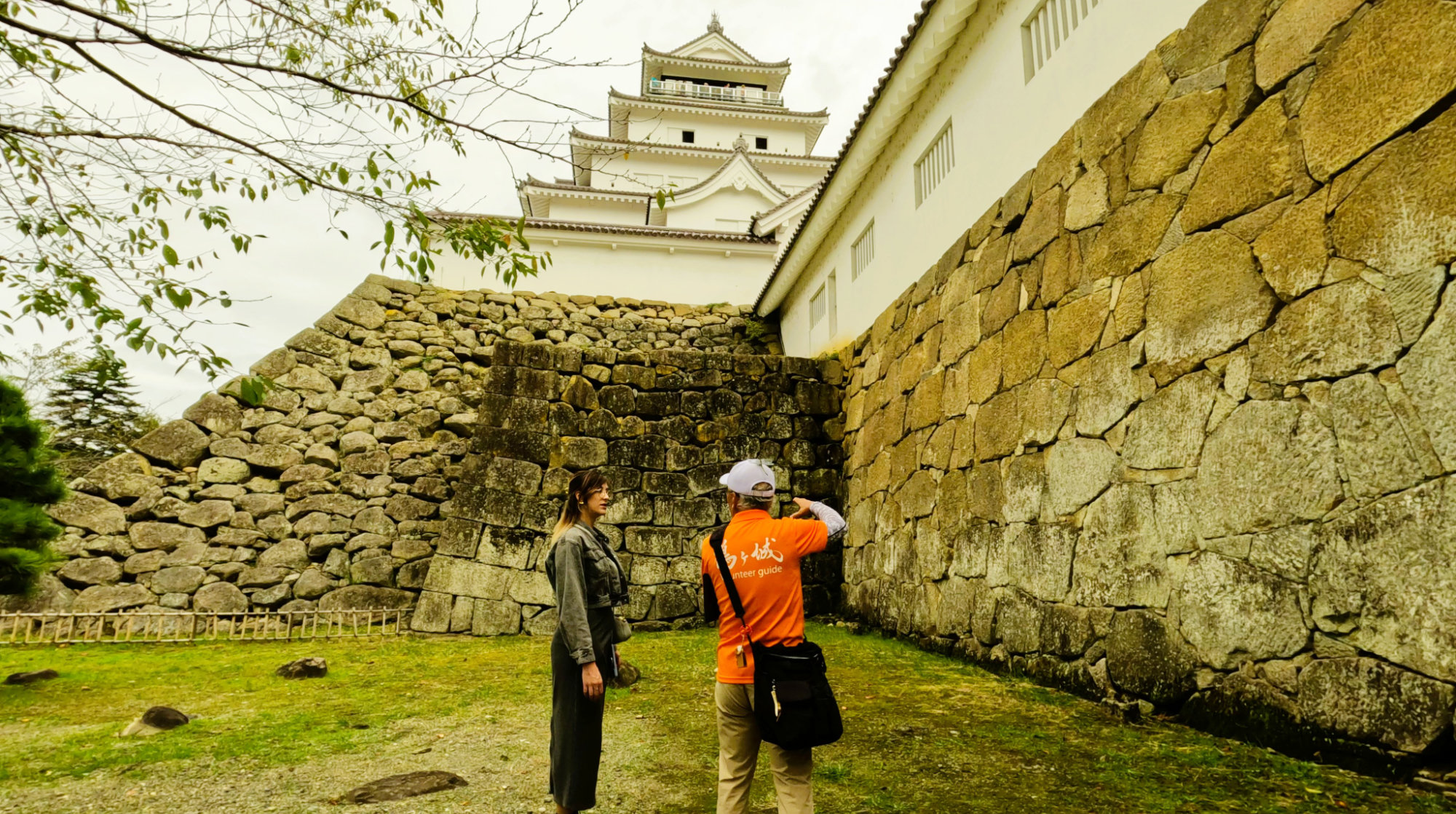
Also known as Aizuwakamatsu Castle, Tsuruga Castle stands as a proud symbol of samurai history. It is the only castle in Japan featuring a magnificent keep adorned with distinctive red roof tiles. Within its walls, visitors can immerse themselves in the history and culture of the Aizu samurai who once served here with unwavering loyalty.
Walking the grounds with one of the castle’s knowledgeable guides is a great way to understand more about the history of the keep. During our tour, I learned that the age of a castle’s wall can be determined simply by taking a look at its foundational stones, that only the samurai elite were allowed to pass through gates coated with metal, and many more fascinating facts I never would have considered on my own.
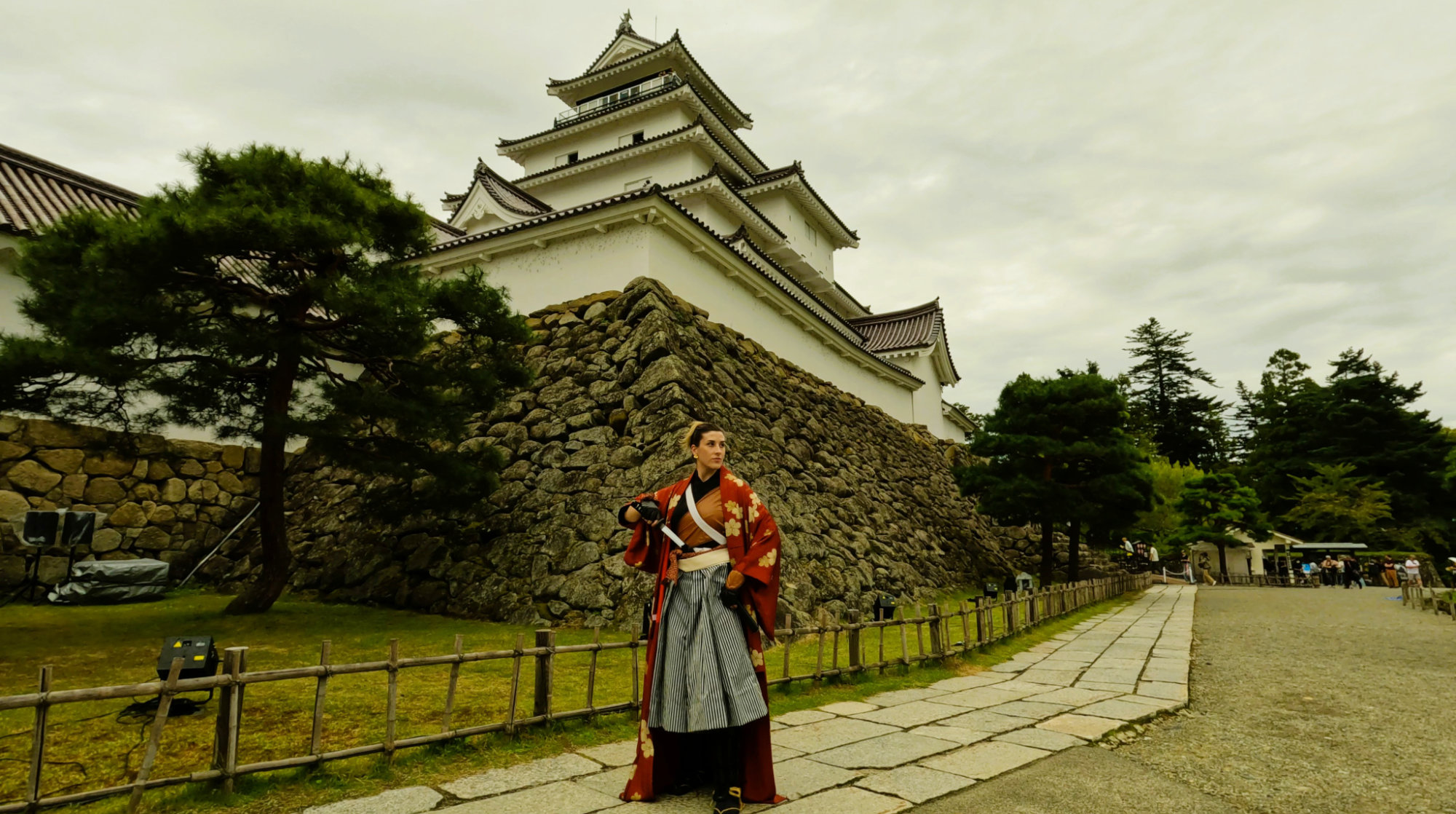
Throughout the seasons, the surrounding park transforms in beauty — from cherry blossoms in spring to autumn leaves in fall — offering a serene yet powerful backdrop to reflect on the enduring spirit of the warriors who once walked these grounds.
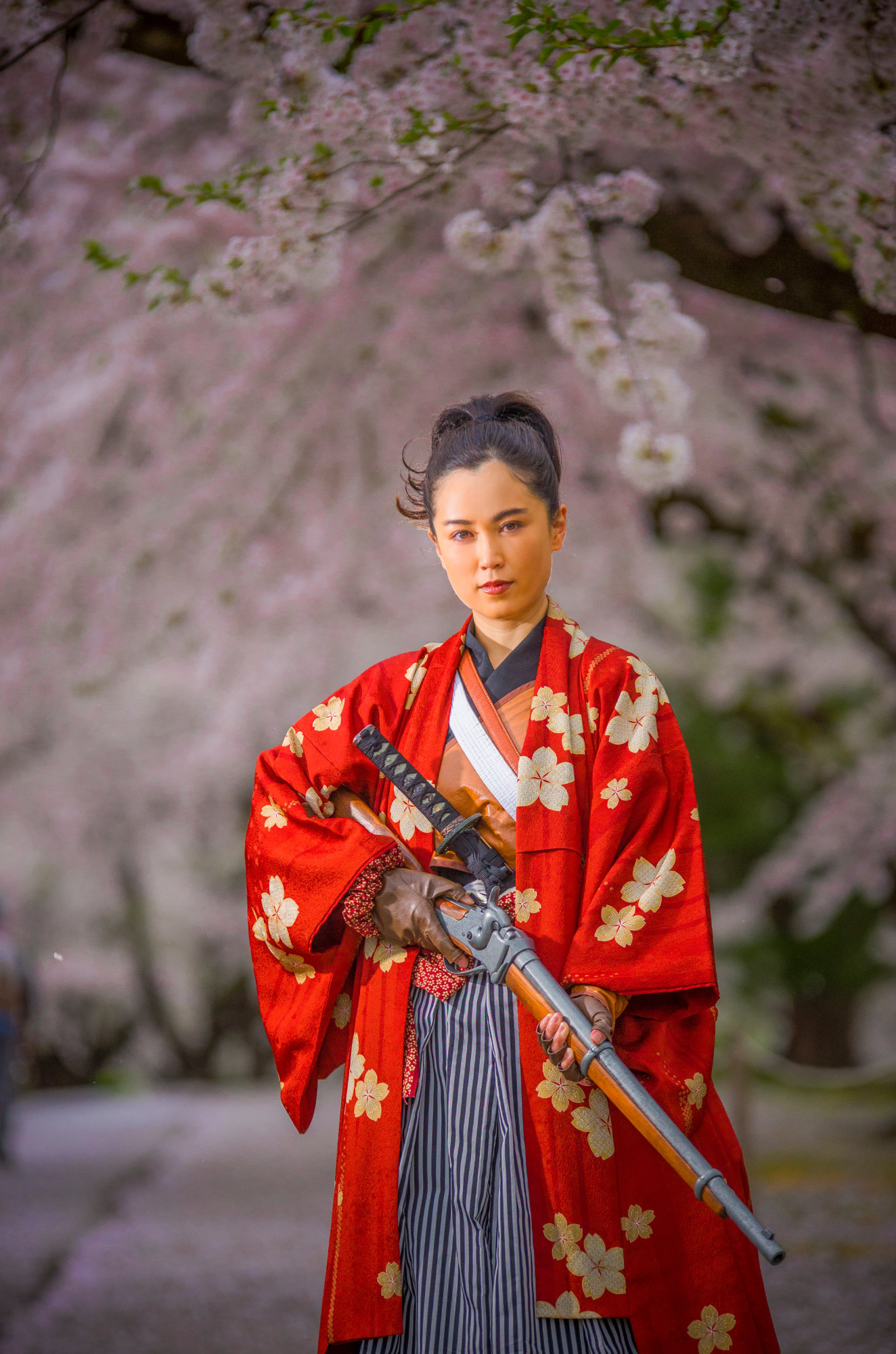
On the day we visited Aizuwakamatsu, I had the chance to stop by Kobayashi Photo Studio nearby and rent a samurai costume, portraying the legendary gunwoman Niijima Yae. Wearing the costume truly felt like stepping back in time, and it made exploring the castle grounds an even more memorable experience. The studio staff were incredibly kind and even showed me a few tips on how to style my hair!

If you’re looking for a unique way to commemorate your visit to Aizuwakamatsu and Tsuruga Castle, I highly recommend trying on a costume at Kobayashi Photo Studio.
Please note that the studio carries only one costume per style, so if you’re visiting as a group, each person will need to choose a different outfit. There are also size limitations, so it’s best to confirm in advance that they can accommodate you.
Forge Your Own Letter Opener — Learning the “Aizu Samurai Spirit”
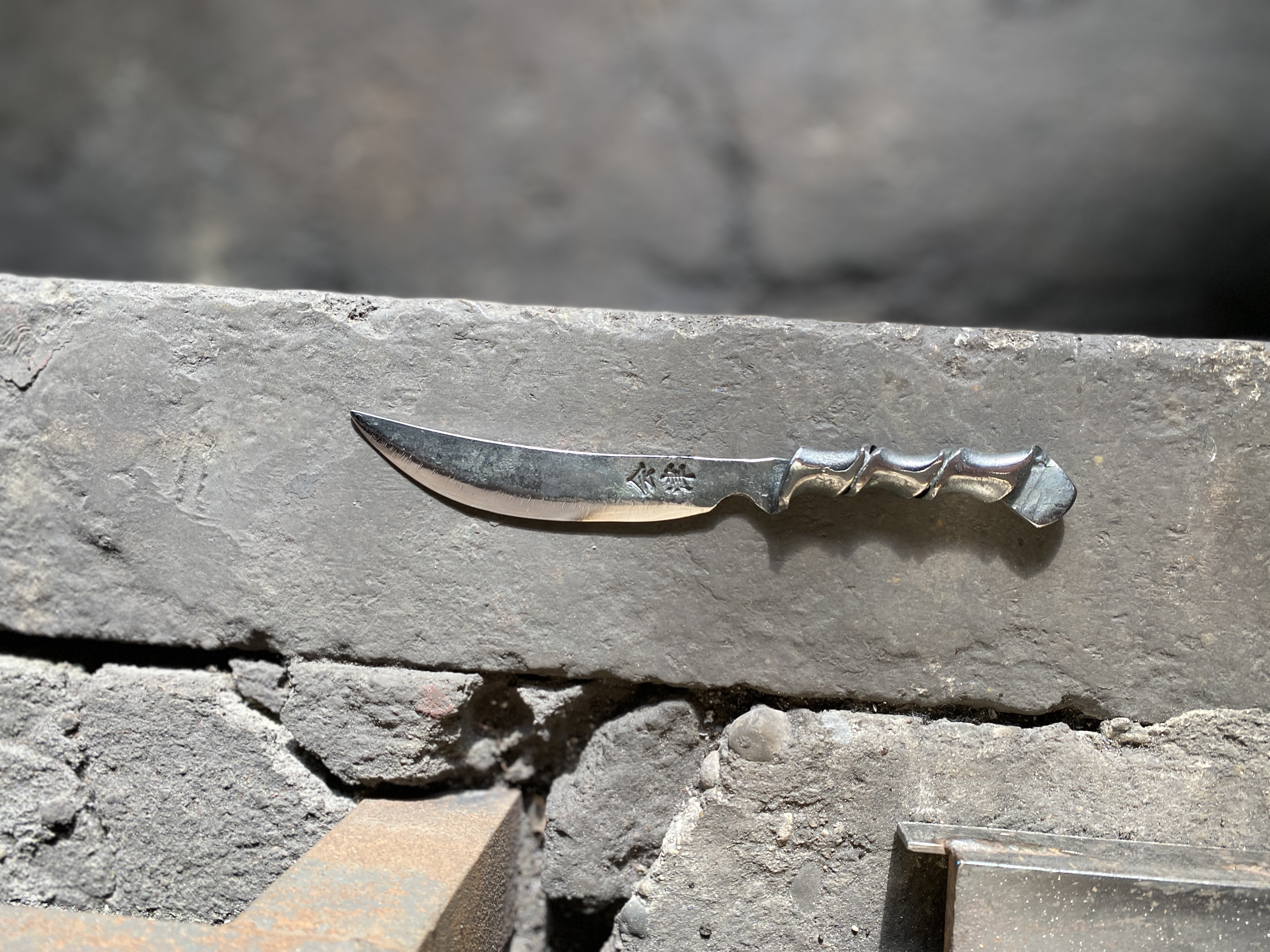
At the Tsutsumi Workshop, a former swordsmith’s forge in Aizuwakamatsu, participants can experience crafting a letter opener from raw iron — an experience that embodies the soul of Aizu’s samurai heritage.
For 250 years, until the sword ban of 1876, this workshop’s predecessors forged Japanese swords, and their spirit and techniques live on through today’s artisans. Under the careful guidance of a master craftsman, you will learn each step of the forging process — heating, hammering, and shaping the metal — while feeling the rhythm and discipline of traditional sword smithing.
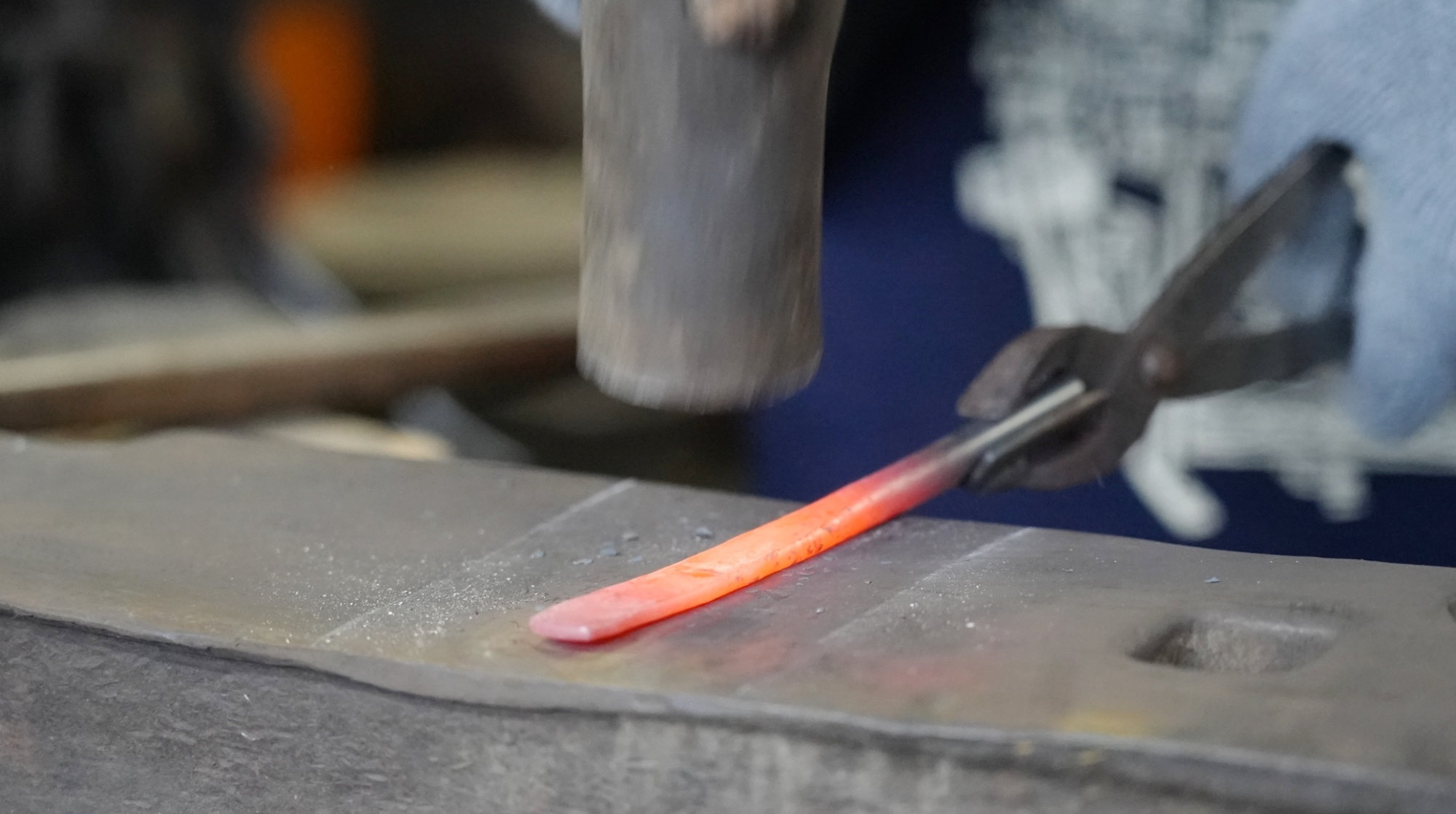
Through witnessing the uncompromising dedication of the smiths and engaging in the act of forging iron, participants can come to understand the deeper lesson of cultivating a “heart that never rusts” — the essence of the Aizu Samurai Spirit.
The experience lasts approximately 90 to 120 minutes and costs ¥15,000 per person (for junior high school students and older). Create your own one-of-a-kind letter opener in a place where the samurai spirit still lives on.
Byakkotai — A Tragic Story of Young Samurai
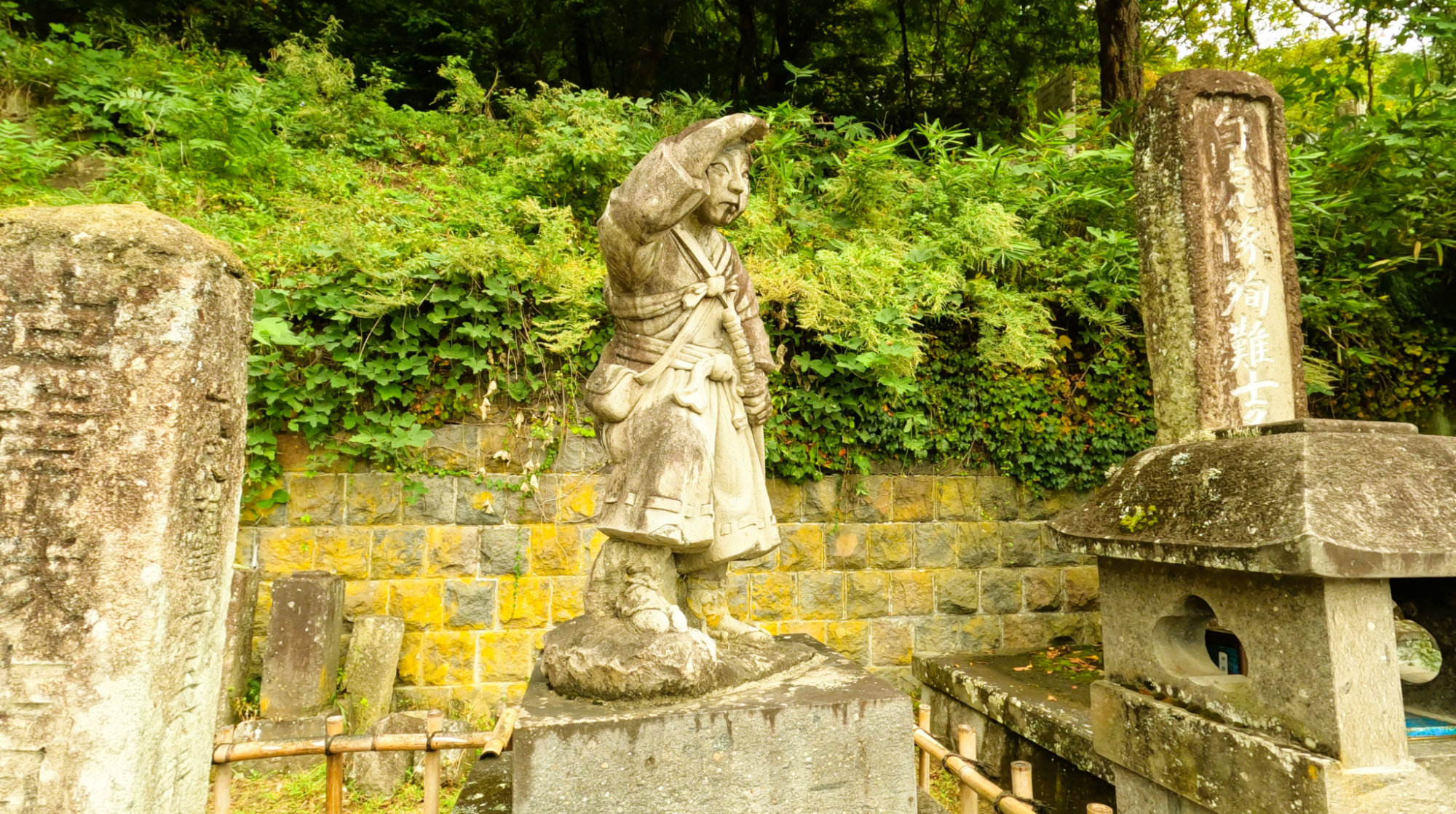
The Byakkotai, or “White Tiger Corps,” were a group of teenage samurai from the Aizu Domain who fought bravely during the Boshin War (1868–1869). Amid the chaos of battle, they found themselves on a hill overlooking their beloved Tsuruga Castle. Believing that the castle had fallen to enemy flames, nineteen of these young warriors chose to take their own lives through seppuku — ritual suicide — rather than surrender and face dishonor.
Their tragic story embodies the very essence of samurai virtues: unwavering loyalty, honor, and courage. Today, their memory lives on at Mt. Iimoriyama in Aizuwakamatsu, where their graves serve as a powerful reminder of their sacrifice and the profound sense of duty that defined their short but impactful lives.
At Mt. Iimoriyama, visitors can pay their respects at the graves of the Byakkotai and learn more about their story at the Byakkotai Memorial Hall. Please note that the exhibits inside the memorial hall are in Japanese only, and the gravesite is located at the top of a steep hill with 183 steps.
For those who prefer an easier ascent, a slope escalator is available for ¥250 per person to reach the top comfortably.
A Unique Architectural Wonder — Aizu’s Sazae-dō
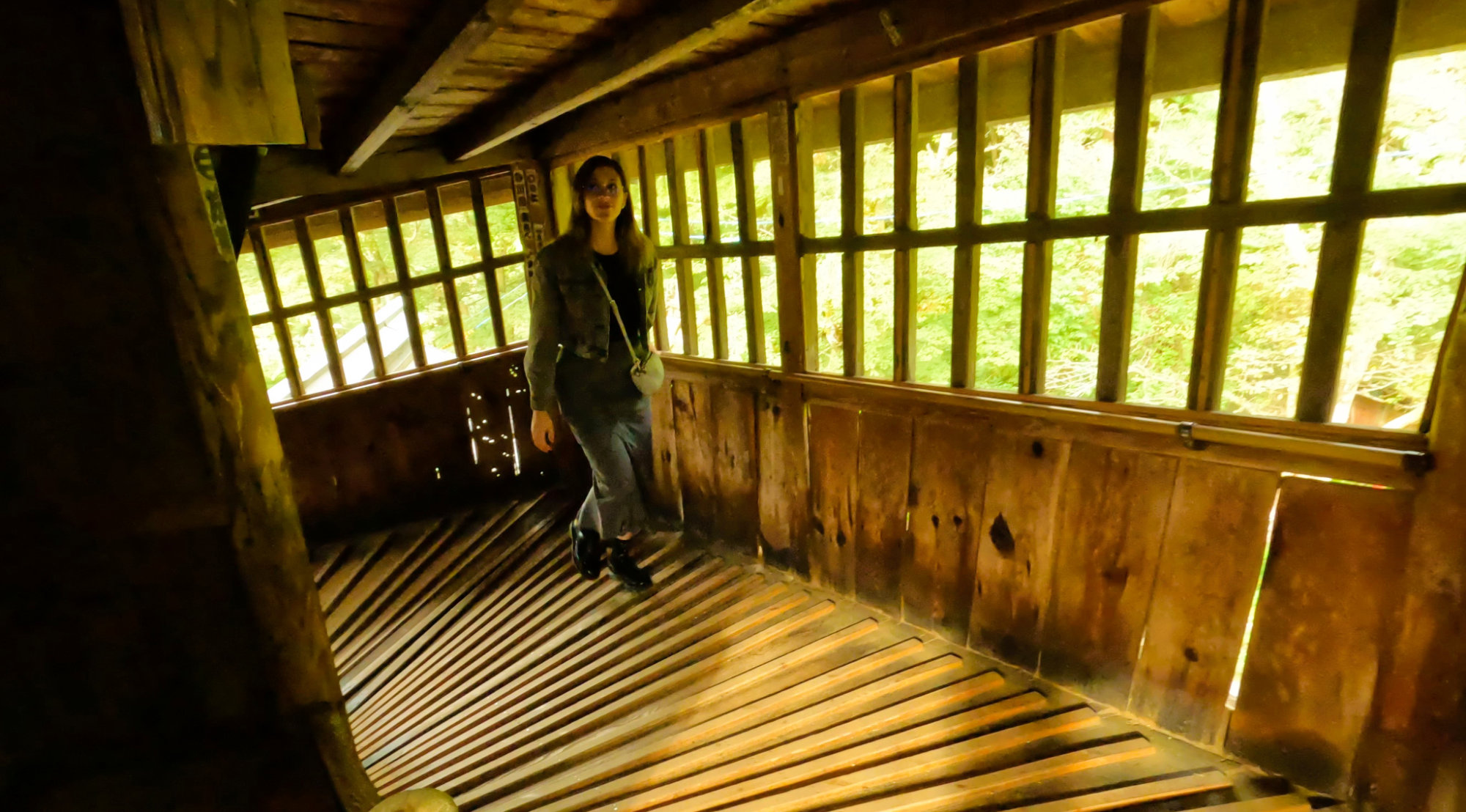
Also on Mt. Iimoriyama, the Sazae-dō is one of Aizu’s most fascinating and unique temples, renowned for its double-spiral structure. Built in 1796, this hexagonal, two-story wooden pagoda features an ingenious spiral ramp that allows visitors to ascend and descend without ever crossing paths.
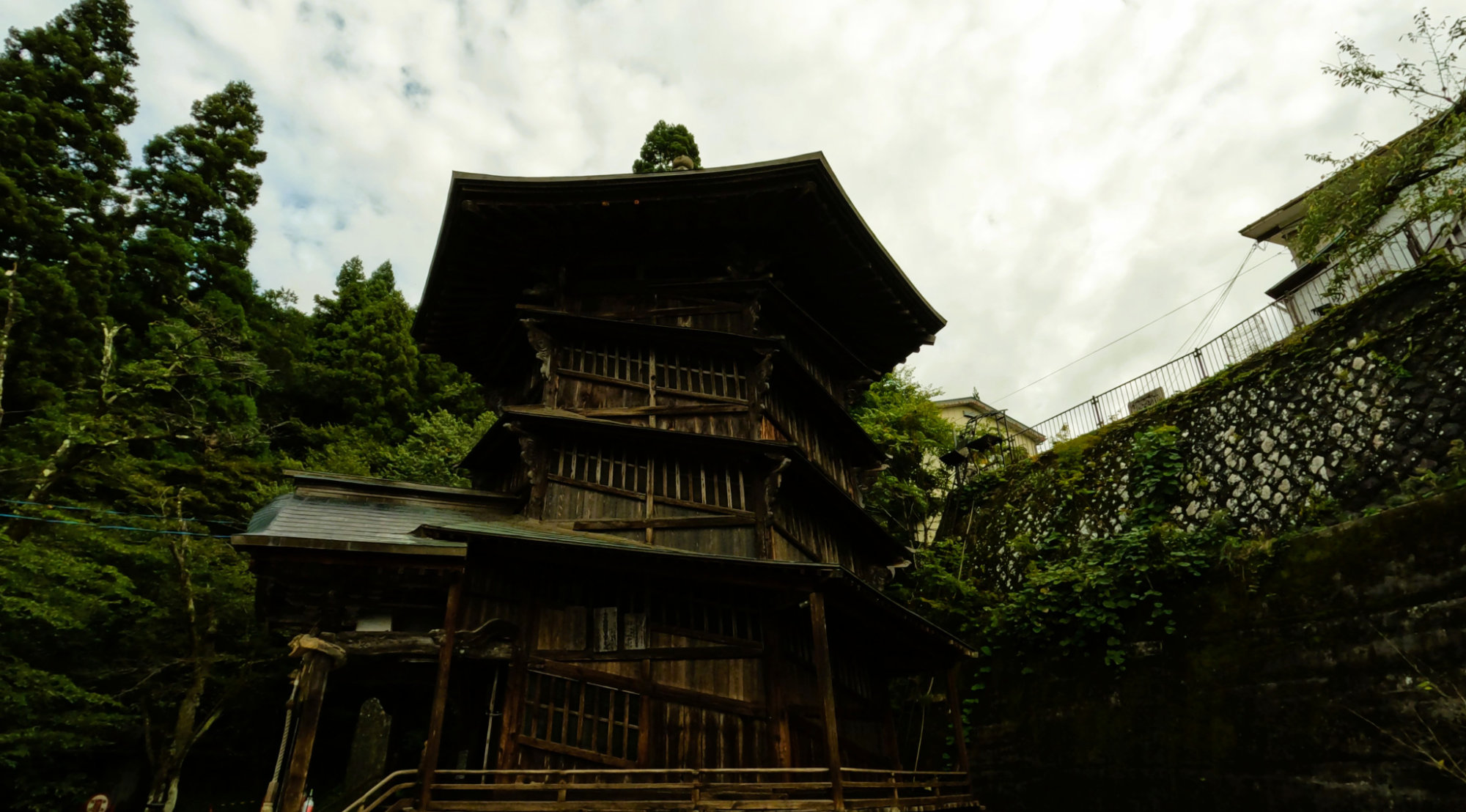
Originally designed so that pilgrims could worship at the 33 Kannon statues placed along the slope inside, the temple offers a smooth, one-way flow—an efficient and symbolic journey toward enlightenment. Inspired by the intricate shape of a turban shell (sazae in Japanese), the structure represents both creativity and spiritual progression.
Today, Sazae-dō stands as one of Japan’s most distinctive buildings and has been designated an Important Cultural Property, celebrated for its historical significance and extraordinary architectural innovation.
From Fukushima to Nikko, Mito, and Tokyo
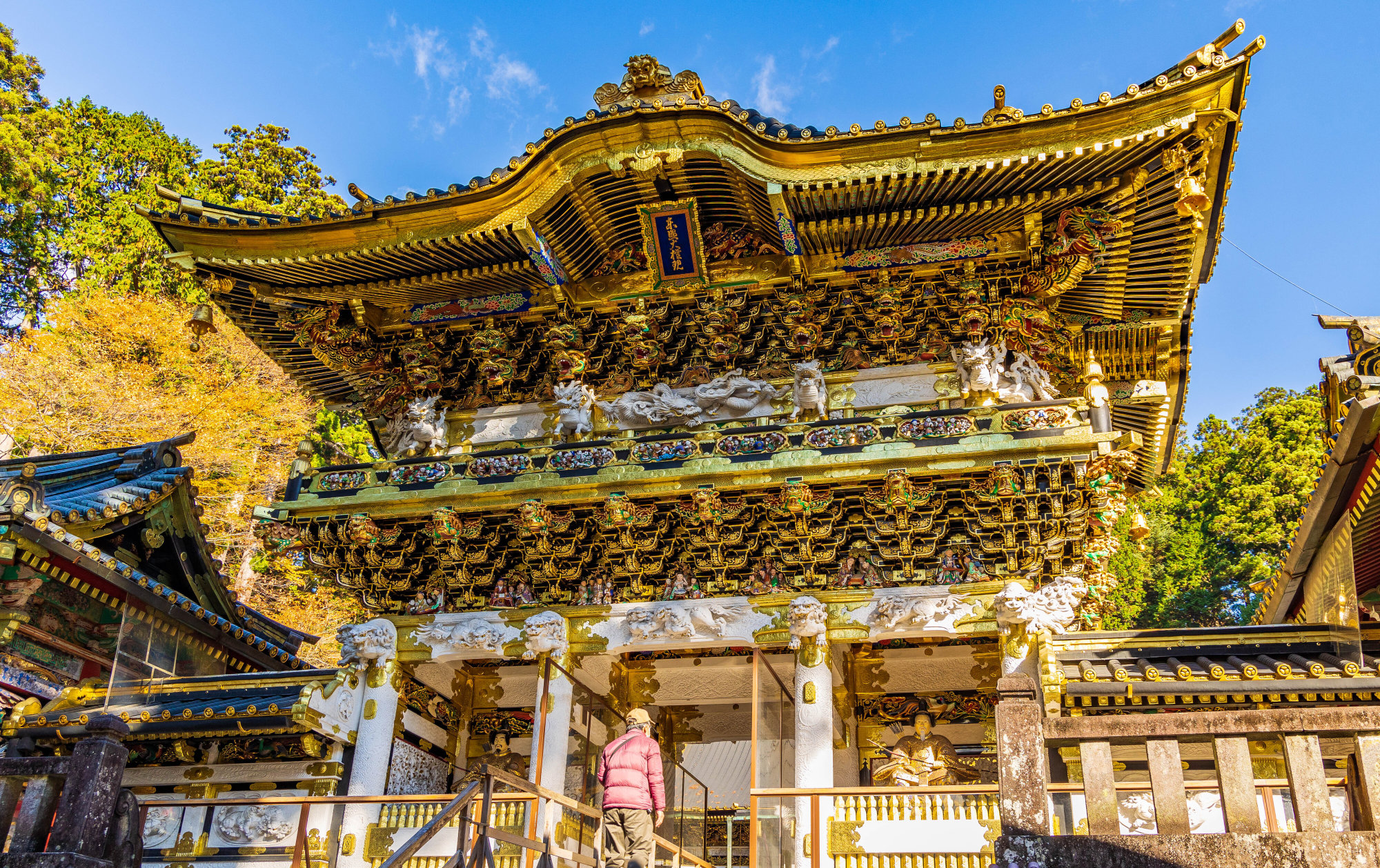
Nikko Toshogu Shrine is the mausoleum of Tokugawa Ieyasu, the founder of the Tokugawa Shogunate. The shrine’s lavish carvings, lacquer work, and gold decorations reflect the immense power and wealth that was held by the samurai class. It stands as a masterpiece of Japanese architecture and a symbol of the samurai’s enduring influence on art, faith, and culture.
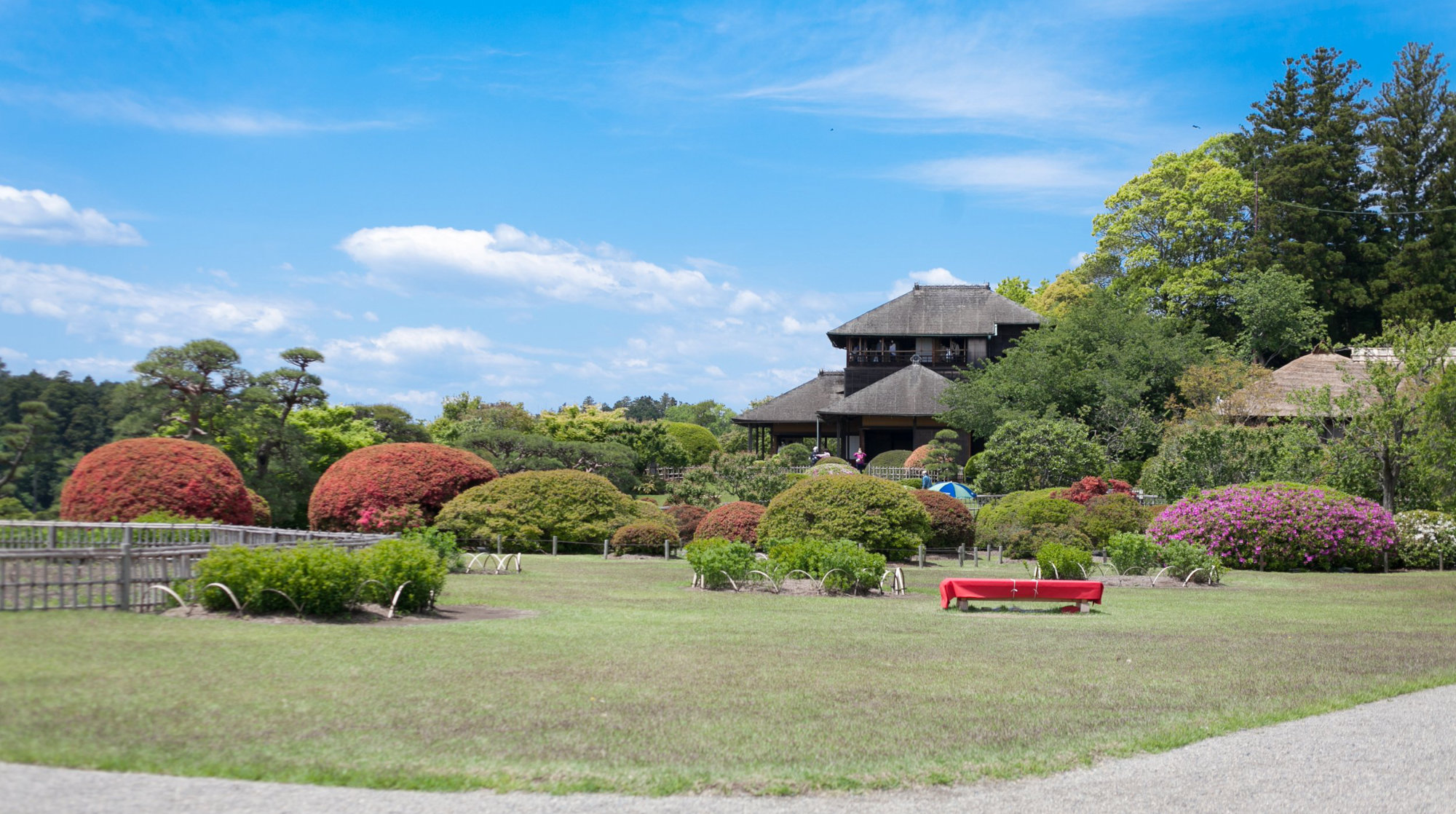
In Mito, one of Japan’s Three Great Gardens, Kairakuen was created by the samurai lord Nariaki Tokugawa. Unlike other feudal lords who built gardens for private enjoyment, Nariaki designed Kairakuen as a place where samurai and commoners alike could relax and appreciate nature together. The name Kairakuen literally means “a garden to share joy,” embodying an inclusive vision that transcended class divisions and reflected a more open, humanistic side of samurai philosophy.
Tsuruga Castle Basic Information
- Name:
- Tsuruga Castle
- Address:
- 1-1 Ōtemachi, Aizuwakamatsu, Fukushima 965-0873
- Business Hours:
- 8:30 AM – 5:00 PM (last entrance 4:30)
- Closed:
- Open throughout the year
- Access:
- About 15 minutes by bus from Aizuwakamatsu Station on the JR Ban’etsu West Line. You can take the Haikara-san or Akabe loop bus and get off at the Tsuruga Castle Entrance stop. Limited parking is also available for visitors traveling by car.
- Official Website:
- https://www.tsurugajo.com/tsurugajo/
Kobayashi Photo Studio Basic Information
- Name:
- Kobayashi Photo Studio
- Address:
- 1−1−34, Uwamachi, Aizuwakamatsu, Fukushima 965-0034
- Business Hours:
- 9:00 AM – 4:00 PM
- Closed:
- Mondays
- Access:
- 5-minute walk from Tsuruga Castle. Also accessible via the Haikara-san or Akabe loop bus—get off at the Tsuruga Castle Entrance stop and walk a short distance toward the main street.
- Official Website:
- https://kobayashi-aizu.com/
*Japanese only
Letter Opener Forging Experience Basic Information
- Contact:
- ADD Aizu Dream Development
- Venue:
- Tsutsumi Production
- Address:
- 984 Shimodaira, Ootomachi Ashinomaki, Aizuwakamatsu City, Fukushima Prefecture 969-5147
- Business Hours:
- 10:00 AM – 4:00 PM (Available period: May – Nov.)
- Closed:
- Weekends and Holidays
- Access:
- 20 minutes by car from central Aizuwakamatsu and 15 minutes from Ashinomaki Onsen Station on the Aizu Railway Line. Parking is available on-site for guests participating in workshops (3 spots).
- Official Website:
- https://www.tif.ne.jp/fukutra/activity/article.html?id=28
Byakkotai Memorial Hall Basic Information
- Name:
- Byakkotai Memorial Hall
- Address:
- Bentenshita-33 Itsukimachi Oaza Yahata, Aizuwakamatsu, Fukushima 965-0003
- Business Hours:
- 9:00 AM – 4:00 PM
- Closed:
- Mondays and Tuesdays
- Access:
- Located at the foot of Mt. Iimoriyama, about 15 minutes by bus from Aizuwakamatsu Station. Take the Haikara-san or Akabe loop bus and get off at the Iimoriyama Entrance stop. From there, it’s a short walk to the memorial hall and the path leading up to the Byakkotai gravesite.
- Official Website:
- http://www.byakkokinen.com/
*Japanese only
Sazaedo Temple Basic Information
- Name:
- Sazaedo Temple
- Address:
- Bentenshita-1404 Itsukimachi Oaza Yahata, Aizuwakamatsu, Fukushima 965-0003
- Business Hours:
- 8:15 AM – Sunset (Apr. – Nov.), 9:00 AM – 4:00 PM (Dec. – Mar.)
- Closed:
- Open throughout the year
- Access:
- By Bus: Take 'Haikara-san/Akabee' bus to 'Iimoriyama-shita' stop, 5-minute walk By Car: About 15 minutes from Aizu Wakamatsu IC on Ban-etsu Expressway We do not have our own parking lot. Please use the parking lots of shops near the entrance of Mt. Iimoriyama or the municipal parking lot.
- Official Website:
- https://sazaedo.jp/
Nikko Toshogu Shrine Basic Information
- Name:
- Nikko Toshogu Shrine
- Address:
- 2301 Sannai, Nikko, Tochigi 321-1431
- Business Hours:
- 9:00 AM – 5:00 PM (Apr. – Nov.), 9:00 AM – 4:00 PM (Nov. – Mar.)
- Closed:
- Open throughout the year
- Access:
- Nikkō Tōshōgū Shrine is located about 10 minutes by bus or taxi from Tobu or JR Nikkō Station. Take the Tobu Bus bound for Chuzenji Onsen or Yumoto Onsen and get off at the Shinkyo Bridge or Omotesando stop. The shrine is a short walk from there. Limited parking is available nearby for those traveling by car.
- Official Website:
- https://www.toshogu.jp/
*Japanese only
Kairakuen Garden Basic Information
- Name:
- Kairakuen Garden
- Address:
- 1 Chome-3-3 Tokiwacho, Mito, Ibaraki 310-0033
- Business Hours:
- 6:00 AM – 7:00 PM (Mid-Feb. – Sep.), 7:00 AM – 6:00 PM (Oct. – Mid-Feb.)
- Closed:
- Open throughout the year
- Access:
- 15 minutes by bus from JR Mito Station. Take the Ibaraki Kotsu bus bound for Kairakuen and get off at the Kairakuen-mae stop.
- Official Website:
- https://ibaraki-kairakuen.jp/
*Japanese only