Step Back in Time: Experience the Life and Culture of an Edo-Period Post Town
Have you ever wondered what Japan looked like hundreds of years ago? On today’s stop along the Diamond Route, you can experience it firsthand. Step back in time as you enter the historic village of Ōuchi-juku in Fukushima—an immaculately preserved district that still retains the charm and atmosphere of the Edo period.
The Diamond Route, which connects Tokyo with Ibaraki, Tochigi, and Fukushima Prefectures, takes us along the ancient roads once traveled by merchants, pilgrims, and feudal lords. Along these paths were bustling post towns like Ōuchi-juku, where weary travelers could rest in traditional inns or enjoy a warm meal in one of the local teahouses.
In this edition of Diamond Route Japan: 2025 Travelogue, we invite you to journey with us to a place where time seems to stand still; a village where tradition, architecture, and history have been carefully preserved for generations.
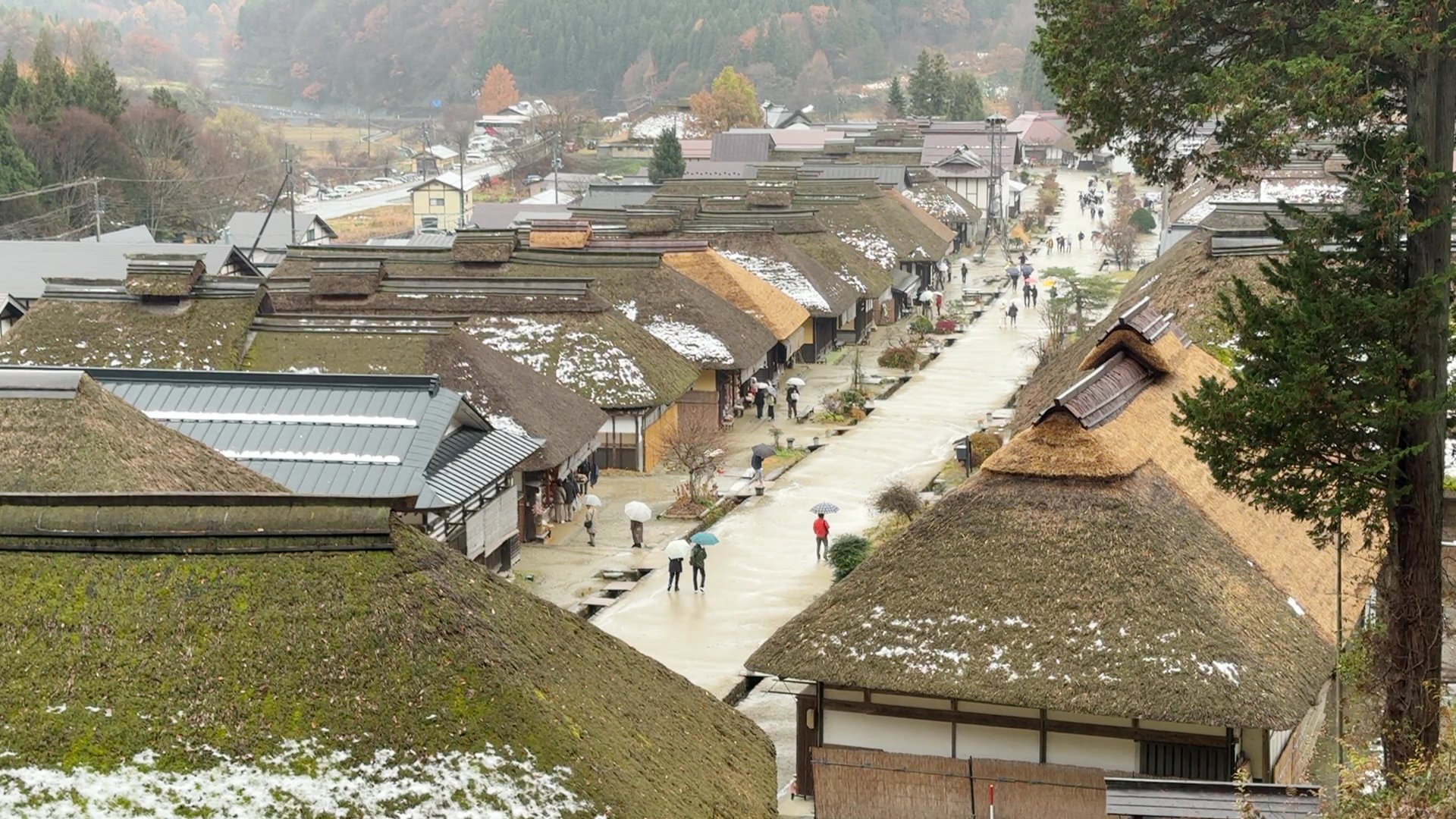
Located in the Minamiaizu District of Fukushima Prefecture, Ōuchi-juku is a beautifully preserved post town where the spirit of the Edo period still lingers in every detail. Once a vital stopover for travelers making their way along the Aizu Nishi Kaidō, the town today offers a rare glimpse into Japan’s original rural landscape—untouched by time and steeped in history.
More than 30 traditional thatched-roof houses line the old highway, forming a picturesque streetscape that instantly transports you to a bygone era. Walking through Ōuchi-juku feels like stepping into a living museum: earthen walls, wooden facades, and gently sloping roofs evoke the rhythm of life as it was centuries ago.
In recognition of its historical significance and architectural integrity, the area was officially designated as an Important Preservation District for Groups of Traditional Buildings by the Japanese government in 1981. It remains one of the few places in Japan where visitors can experience an Edo-period post town in such pristine and authentic form.
The Residents’ Charter
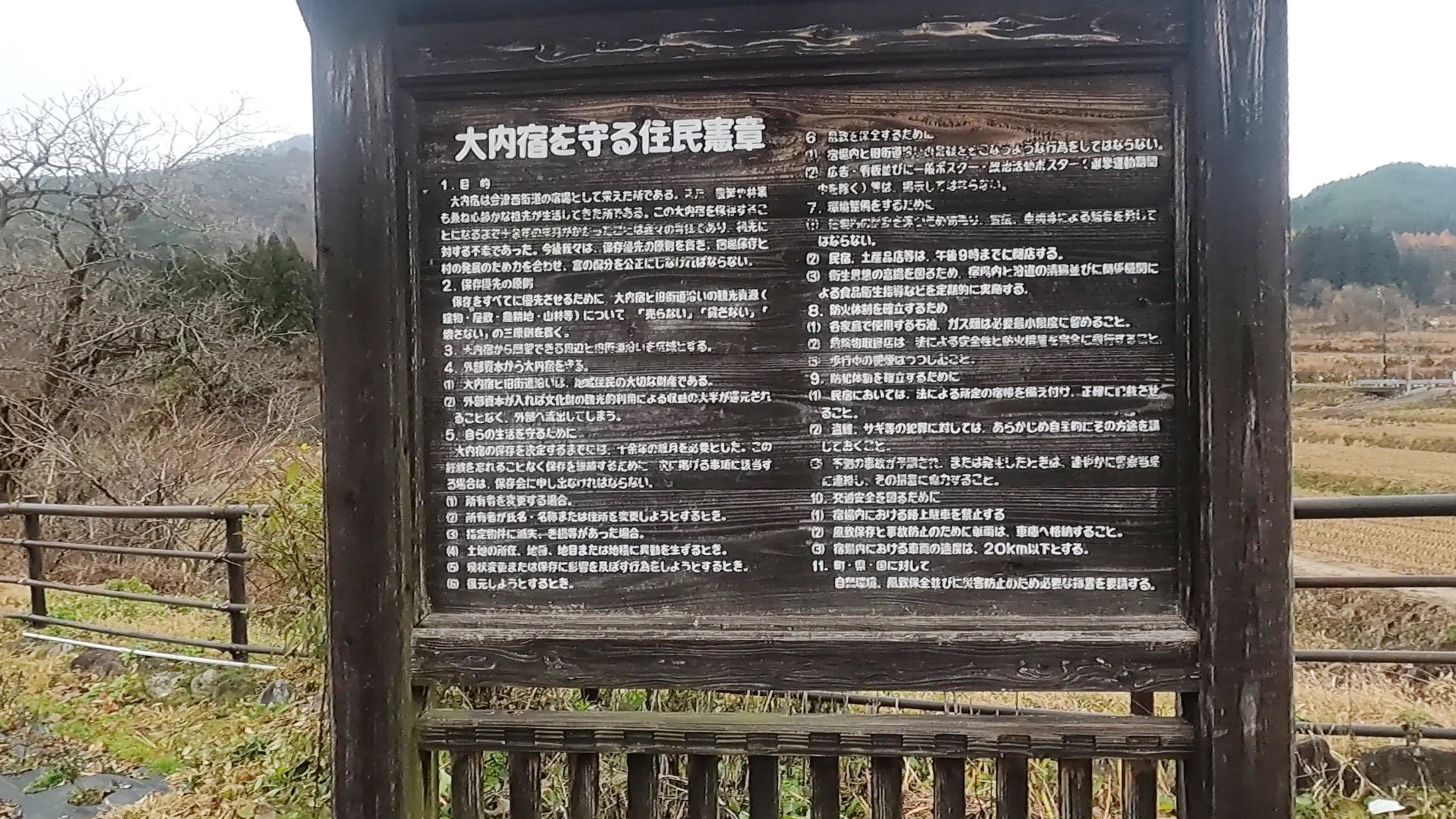
To preserve the historic character of Ōuchi-juku, the village follows a set of strict guidelines that ensure its buildings and landscape remain true to their Edo-period origins. At the heart of this effort is the Residents’ Charter, built on three core principles: “Do not sell, do not rent, do not destroy.” This charter keeps all properties within the community and safeguards them from alteration or development, allowing the town to be passed down in its authentic form.
All shops, inns, and restaurants are run by residents or their relatives, reinforcing the continuity of local tradition and community life. To maintain the village’s historic appearance, modern infrastructure—such as telephone and electrical wiring—is intentionally buried underground, keeping the streetscape free from visual distractions.
Because the iconic thatched roofs are highly vulnerable to fire, the community also carries out a large-scale water-spraying drill every September 1st. This coordinated effort not only protects the village but also symbolizes the shared responsibility of residents in preserving Ōuchi-juku’s cultural heritage for future generations.
When visiting the area, it’s important to keep this legacy in mind and be respectful of your surroundings!
A Unique Regional Dish: Negi Soba
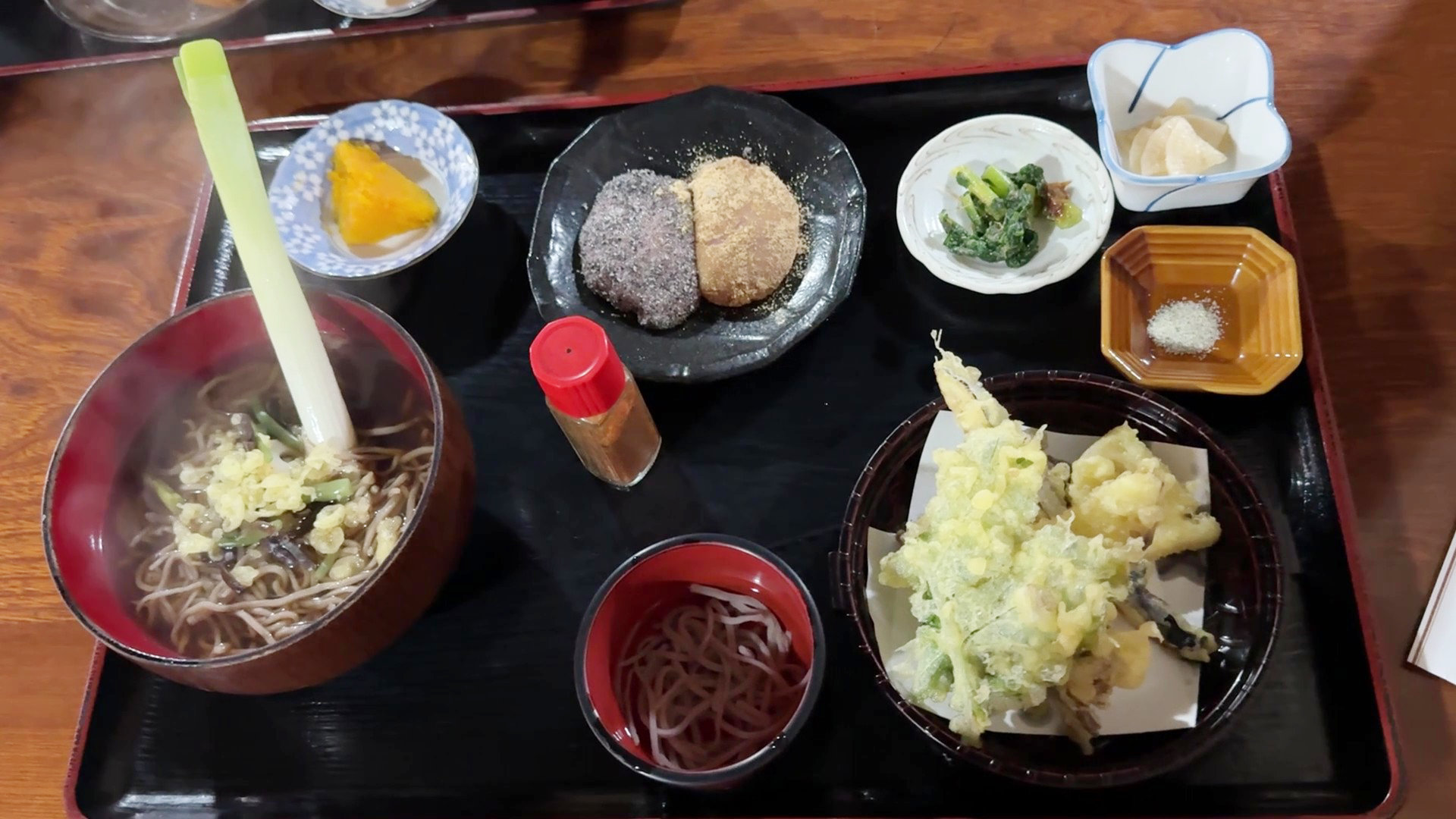
The specialty of the area is Takato soba, also known as negi soba, a dish as charming as it is memorable. Unlike ordinary soba, this unique style is enjoyed not with chopsticks, but with a single stalk of green onion, which you use to scoop up the noodles and flavor the broth. The crisp bite of the negi adds a refreshing sharpness that pairs beautifully with the soba’s earthy aroma.
You can savor this local favorite at one of Ōuchi-juku’s traditional eateries—such as Yamatoya, where I enjoyed an incredible lunch surrounded by the village’s nostalgic atmosphere. Eating Takato soba in a centuries-old post town, with thatched rooftops and mountain air all around, is more than just a meal; it’s a delicious cultural experience that brings together local tradition, regional flavors, and the timeless scenery of the area.
A Guided Tour of Ouchi-juku
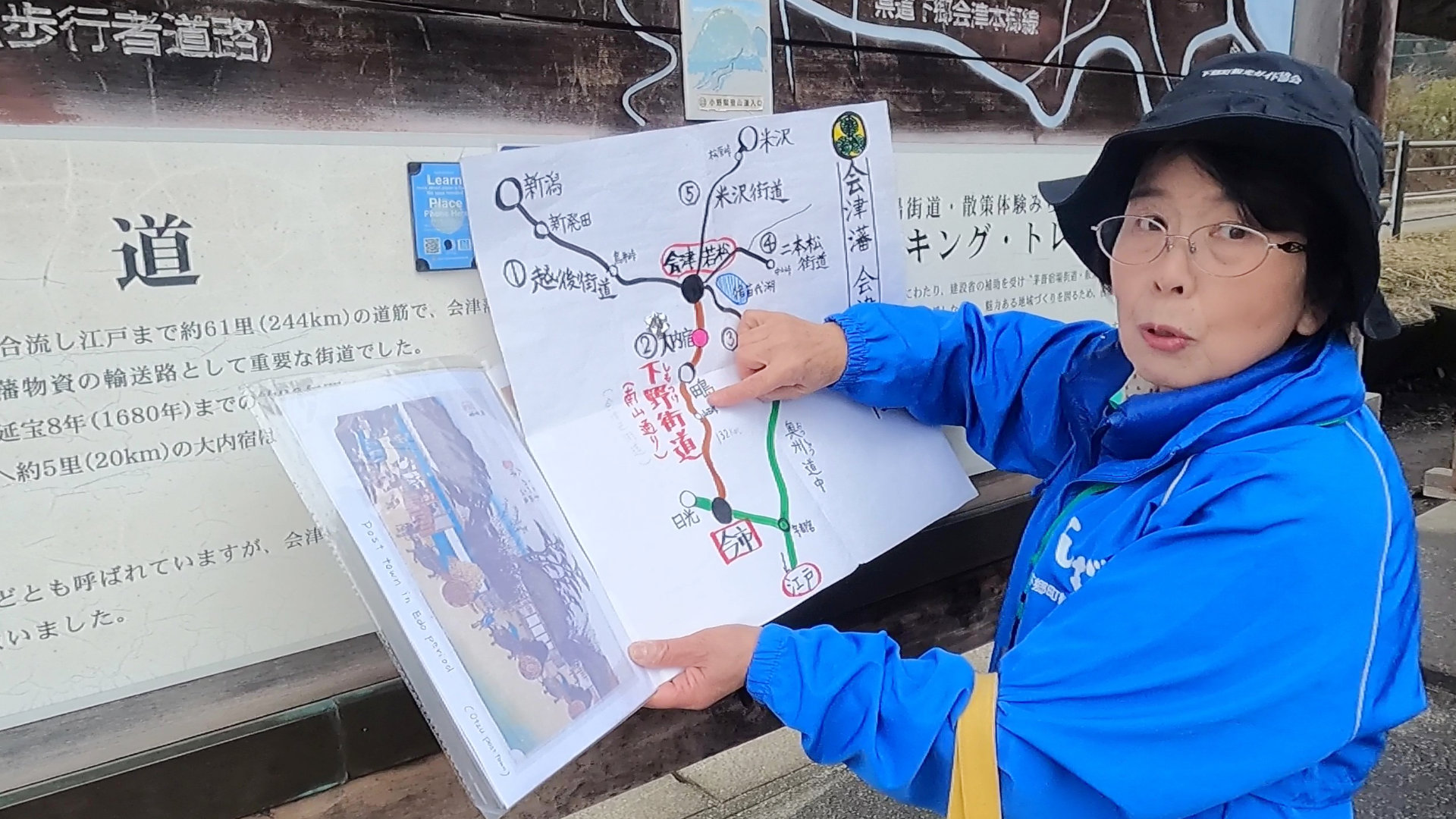
The Shimogō Town Tourism Association provides guided tours of Ōuchi-juku and many other cultural and historical sites throughout the area. I arranged for one of their knowledgeable guides, Ms. Sato, to show me around, and the experience truly enriched my visit.
As we walked through the village, Ms. Sato shared fascinating insights into daily life in Ōuchi-juku—how residents maintain centuries-old traditions, how former inhabitants shaped the town’s heritage, and how the community continues to preserve its unique character. Thanks to her guidance, I gained a much deeper appreciation for both the living culture and the history woven into every thatched roof and wooden storefront.
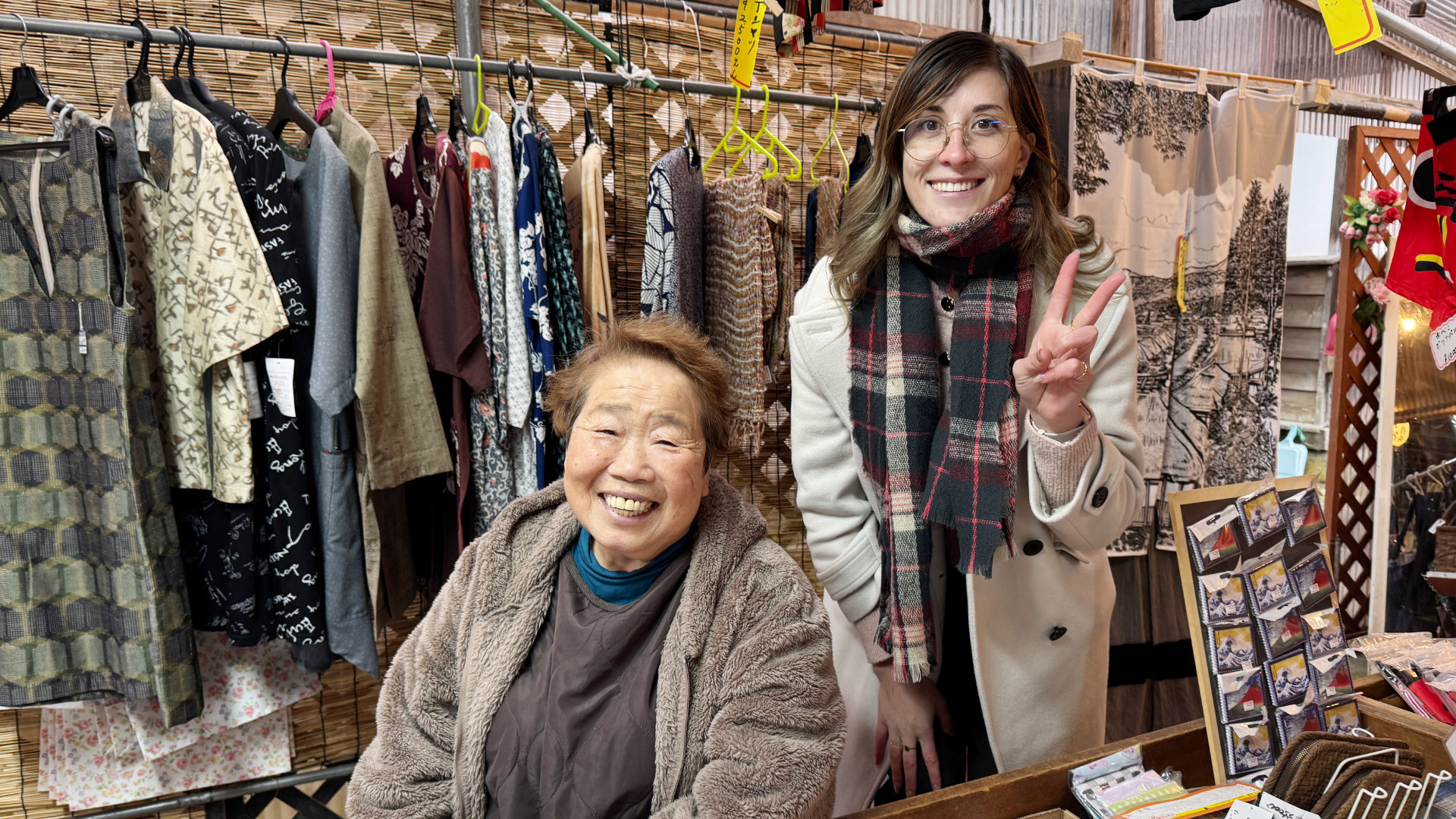
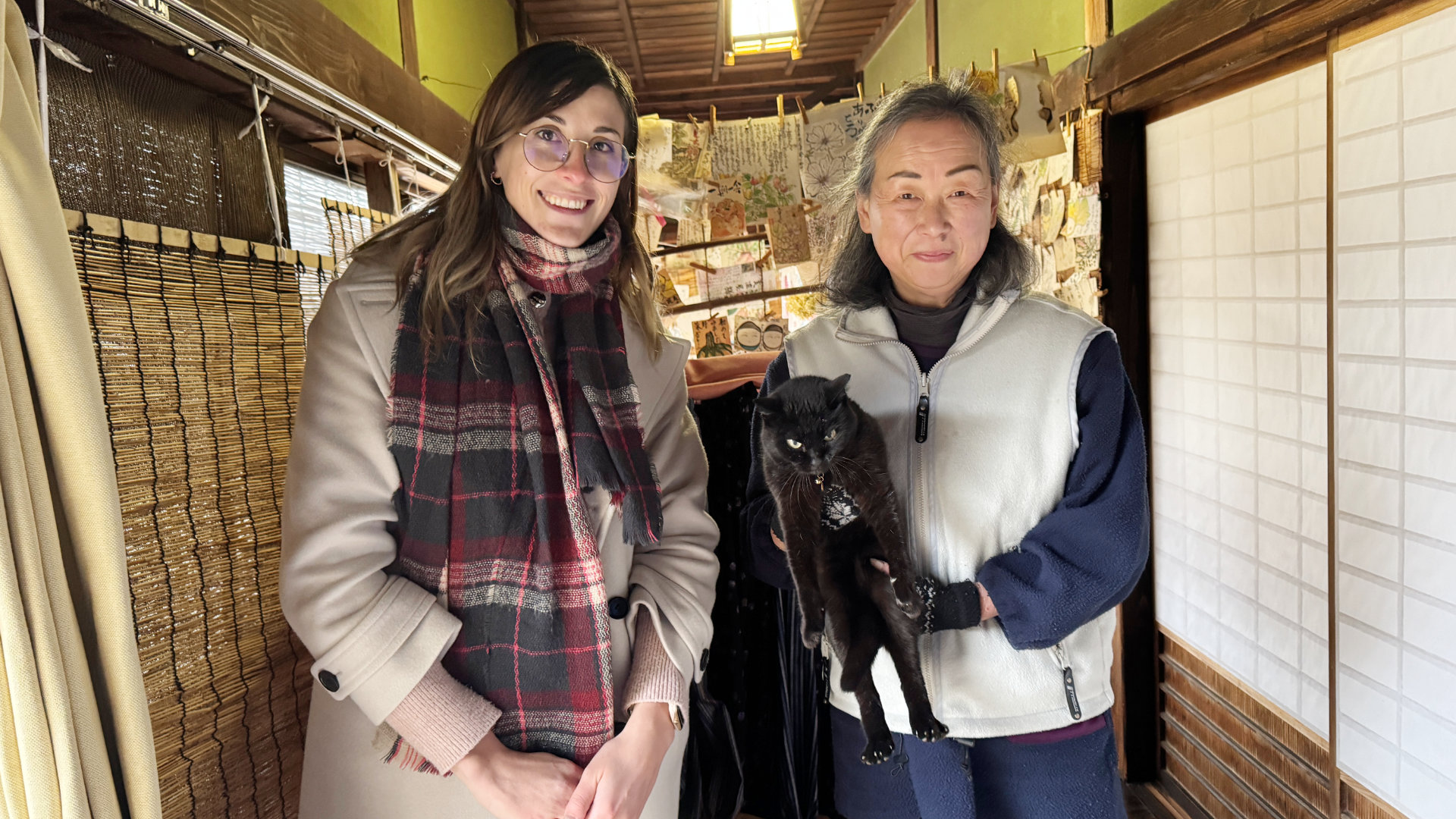
She also introduced me to long-time shop owners and beloved community figures, including Ms. Asanuma and Ms. Abe, whose families have supported the village for generations. And to my delight, I had the honor of meeting the true owner of Ms. Abe’s shop—the 17-year-old black cat Kyu-chan, who greeted us with all the poise of a seasoned hostess. She was quite gracious considering we had just woken her up from a cozy nap!
Exploring Ōuchi-juku with a local guide not only helps visitors understand its past and present, but also opens doors to the warm personalities that make this historic village so special.
The thatched-roof homes of Ōuchi-juku transform with remarkable beauty as the seasons shift. In spring, delicate cherry blossoms frame the village in soft pinks. Summer brings vibrant greenery that contrasts beautifully with the earthy tones of the traditional houses. Autumn paints the entire valley in deep reds and golds, and winter wraps the town in a serene blanket of snow, creating a quiet, almost storybook-like atmosphere.
No matter the time of year, the village offers a vivid blend of ever-changing natural scenery and the enduring spirit of an Edo-period post town. Its streets, traditions, and architecture remain lovingly preserved, allowing the echoes of the past to continue breathing across the centuries.
Come and experience this special place for yourself—where history feels alive, and where each season reveals a new layer of Ōuchi-juku’s timeless charm.
Information
Ouchi-juku Basic Information
- Name:
- Ouchi-juku
- Address:
- Ouchi, Shimogo, Minamiaizu District, Fukushima 969-5207
- Business Hours:
- 9:00 AM - around 4:00 PM
- Closed:
- Open all year
- Price:
- Free
- Access:
- From Aizu Railway’s Yunokami Onsen Station, drive 10 min.
- Official Website:
- https://ouchi-juku.com/
Yamatoya Restaurant Basic Information
- Name:
- Yamatoya Restaurant
- Address:
- 〒969-5207 Fukushima, Minamiaizu District, Shimogo, Ouchi, Yamamoto-6
- Business Hours:
- 8:15 AM - 4:30 PM
- Closed:
- No fixed closed dates
- Price:
- Depends on menu
- Tabelog Website:
- https://tabelog.com/en/fukushima/A0707/A070701/7000831/
Shimogo Town Tourism Association Basic Information
- Name:
- Shimogo Town Tourism Association
- Adress:
- Sabashiri-1808-1 Ochiai, Shimogo, Minamiaizu District, Fukushima 969-5343
- Business Hours:
- 9:00 AM - 5:00 PM
- Closed:
- No fixed closed dates
- Price:
- ¥3,300 per person
- Official Website:
- https://shimogo.or.jp/?page_id=349
*Japanese only
Honke Ogiya Traditional Inn Basic Information
- Name:
- Honke Ogiya
- Adress:
- Yamamoto-36 Ouchi, Shimogo, Minamiaizu District, Fukushima 969-5207
- Business Hours:
- Generally 9:00 AM - 5:00 PM
- Closed:
- No fixed closed dates
- Official Website:
- http://honke-ougiya.com/
Honke Minoya Souvenir Shop Basic Information
- Name:
- Honke Minoya Souvenir Shop
- Adress:
- Shimogo-machi Minamiaizu-gun, Fukushima, Japan 9695207
- Business Hours:
- Generally 9:00 AM - 5:00 PM
- Closed:
- No fixed closed dates
- Official Website:
- https://www.instagram.com/minoyahonke/