Harvesting More Than Crops: Life on a Japanese Farm
Do you know the feeling of staying on a charming farm in the Japanese countryside?
On today’s stop along the Diamond Route, you are invited to experience what it truly means to feel at home.
In this edition of Diamond Route Japan: 2026 Travelogue, the journey leads to a place where nature and human connection shape everyday life. Here, the sweetness of freshly harvested vegetables and the laughter of a close-knit farming family become memories that linger long after departure.
Sub title : Where Mountains, Fields, and Seasons Meet
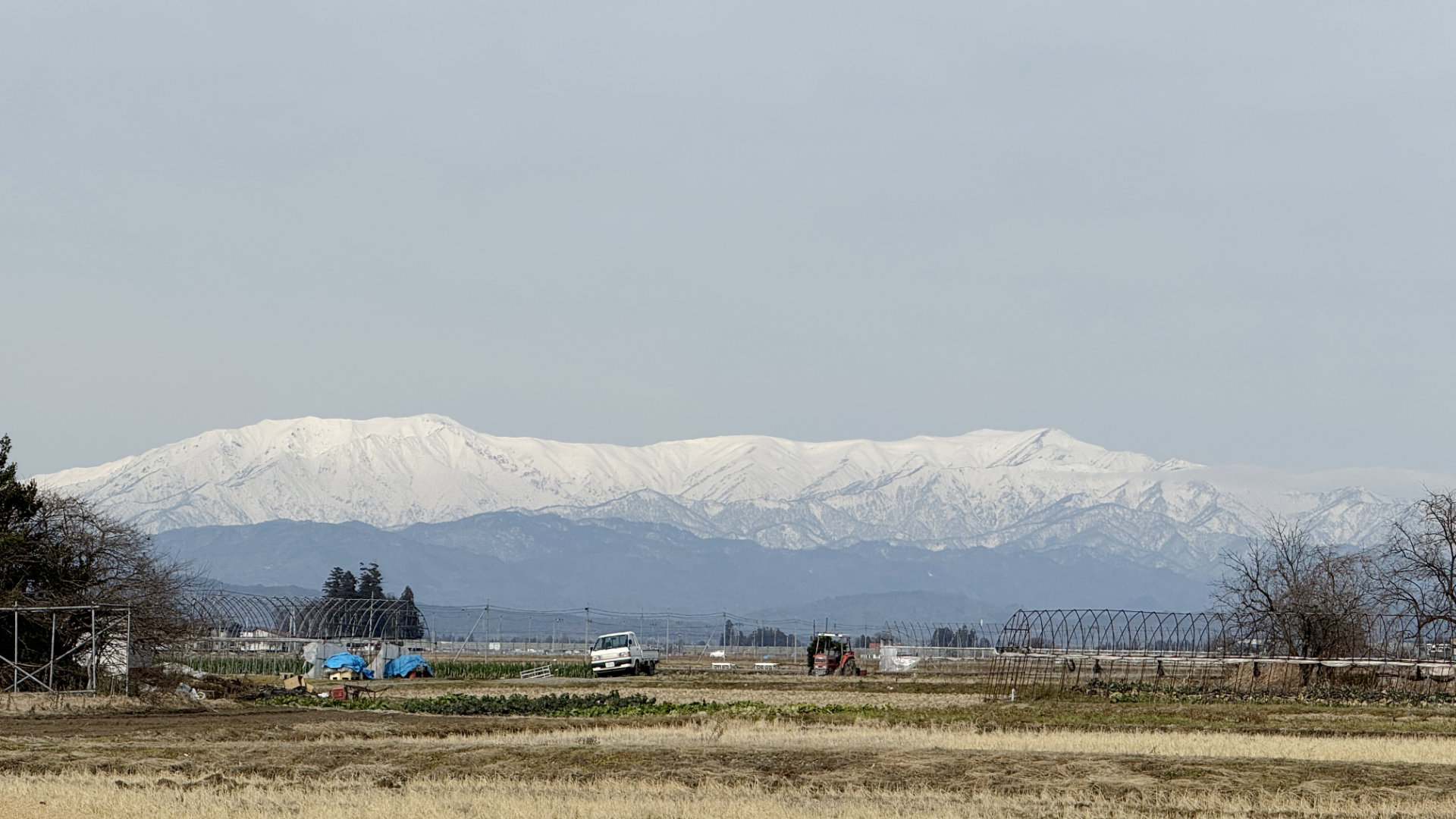
The town of Aizu-Wakamatsu is best known for its samurai heritage, dramatic history, and traditional crafts, set against a backdrop of mountains and hot springs in Fukushima Prefecture.
But today, the journey begins not in the castle town, but in the heart of Aizu’s vast vegetable and rice fields. Rising in the distance is the majestic Mount Iide, its silhouette uninterrupted by buildings, offering a view that feels both powerful and peaceful. In winter, deep snow transforms the area into a haven for skiing, while the warmer seasons bring vibrant fields and clear mountain air.
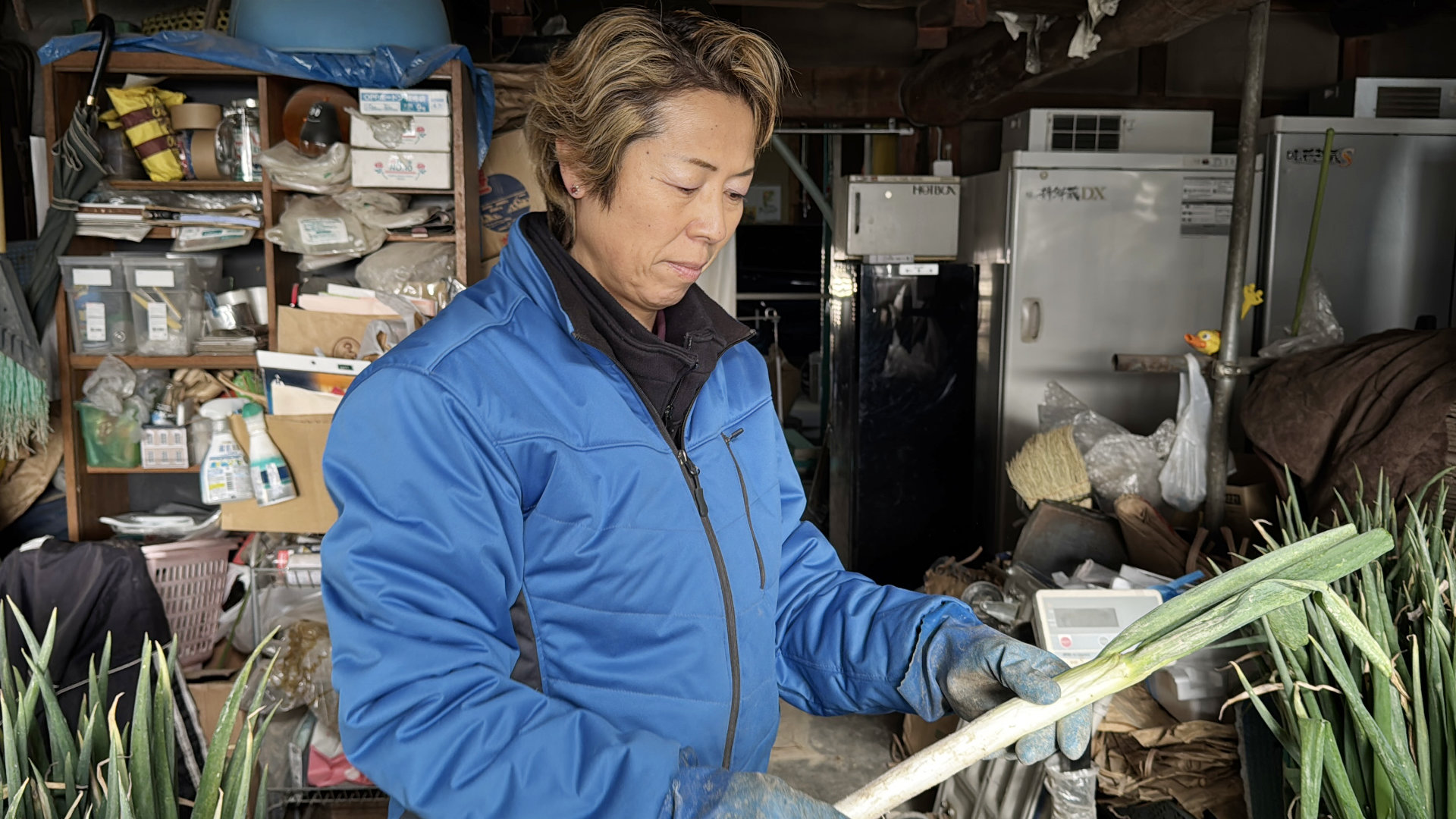
Motoko Niida is a warm, cheerful local who lives here with her parents, her husband Satoru, and their 17-year-old son. Three generations share one home, united by a passion for farming and a lifestyle shaped by the rhythm of the seasons. Every family member takes part in daily work, cultivating several varieties of rice across their fields, along with a wide assortment of vegetables.
Satoru, who chose to follow his wife into farming, reflects on their lifestyle with quiet pride:
“Now, we can decide our own schedule. Of course, the seasons must be respected, and we are busy during planting and harvest. But when things are calm, traveling together as a family is blessing.” In conclusion, their only true boss is the weather.
Listening to their story, it becomes clear that this is more than a farm : it is a life built on harmony with nature, strong family bonds, and a deep appreciation for simplicity. In this quiet corner of Japan, time seems to slow, and each day is shaped by the land itself.
Sub Title : Harvesting in the Fields
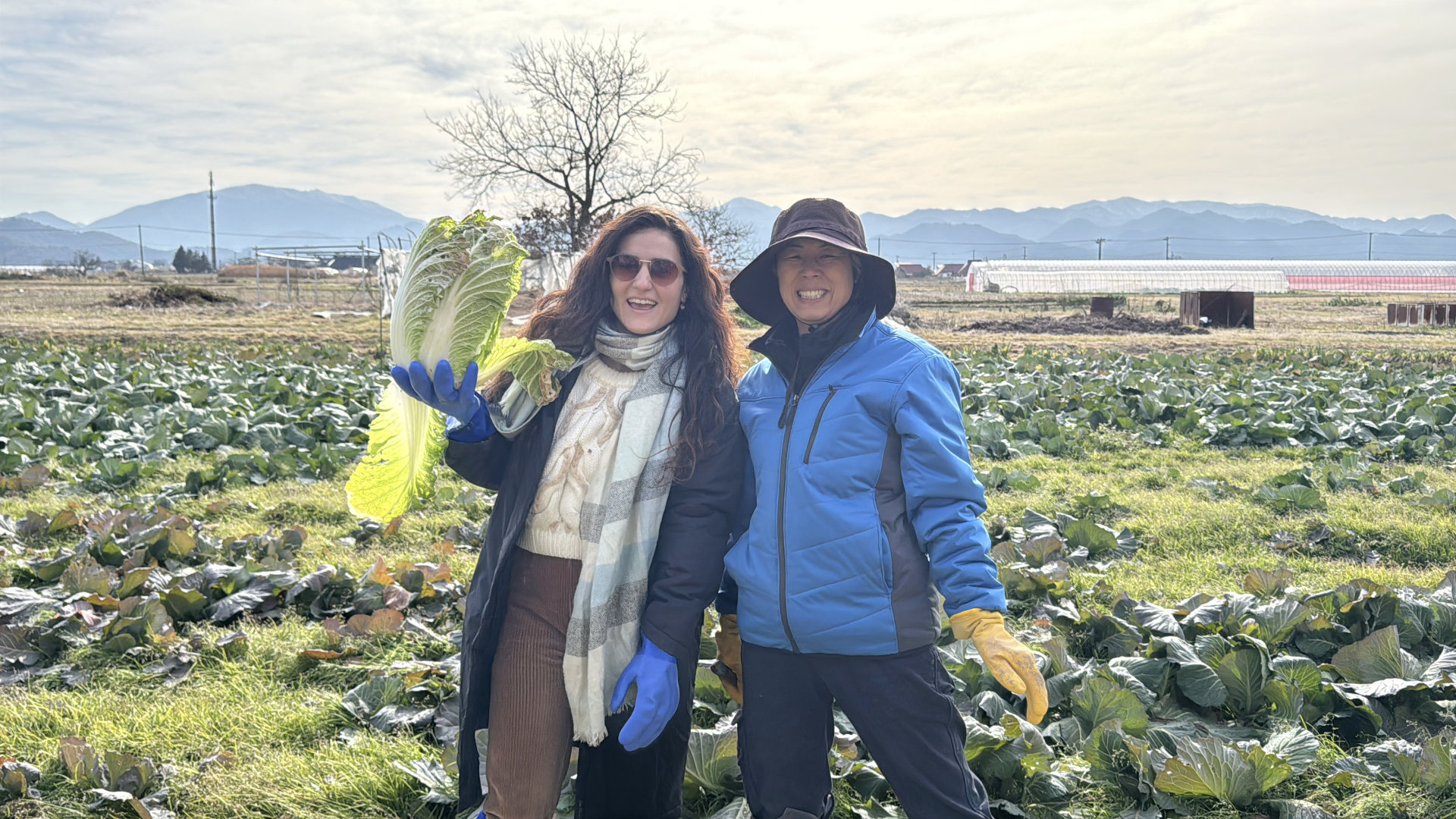
In fall and winter, Chinese cabbage (hakusai), green onions, and daikon radish are fully grown and ready to be enjoyed. The green onions were harder to pull up than expected, but with Motoko’s gentle guidance, every step became a hands-on lesson, turning simple work into a truly joyful experience.
Motoko and her husband also welcome local students in their twenties who live in Aizu, inviting them to help during the rice-planting season. They cultivate seven different varieties of rice across their 30 hectares of fields, so any helping hands are always appreciated. It is also a meaningful way for the younger generation to experience farming for themselves.
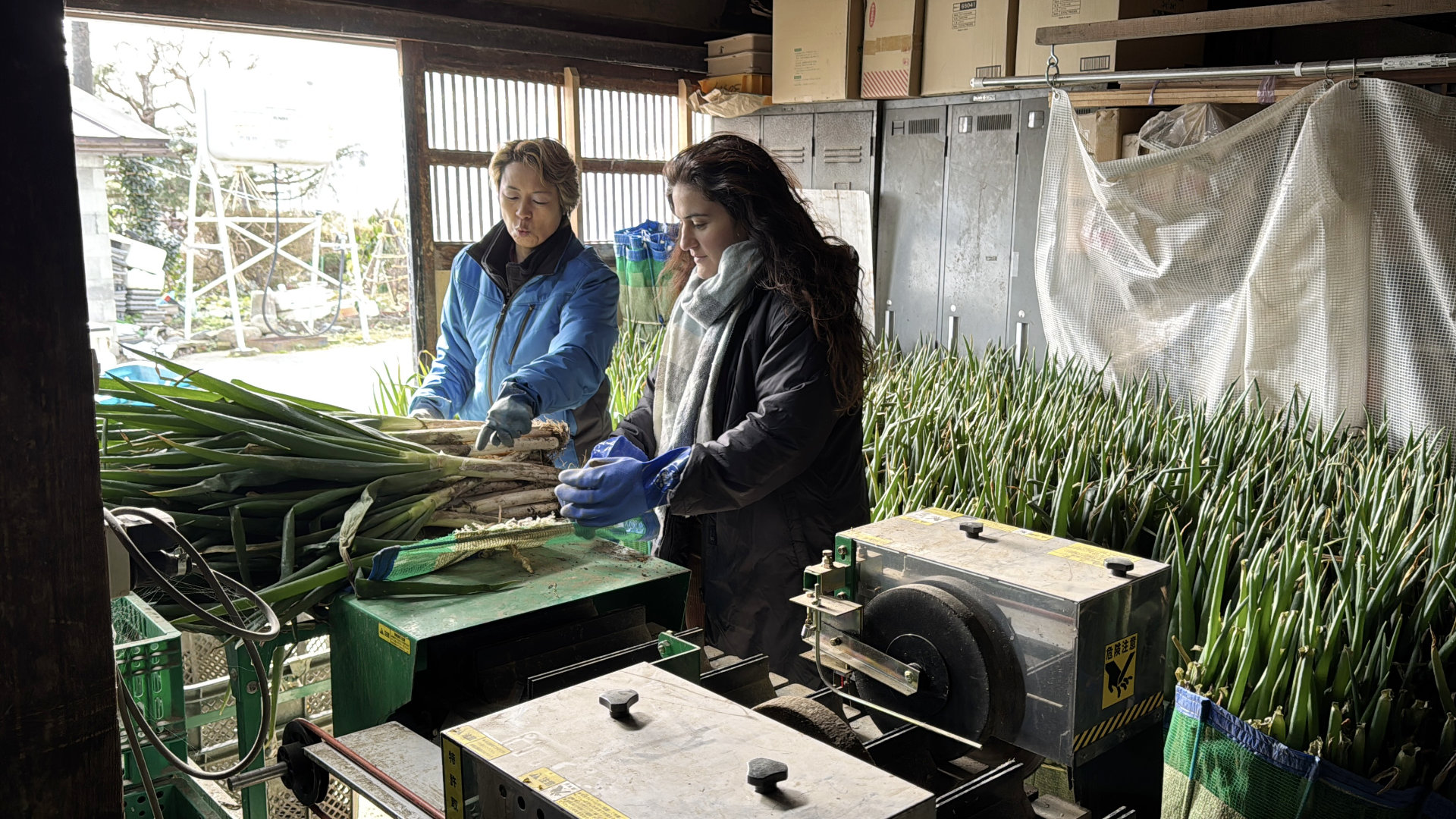
Not only harvesting, but also packing the green onions was part of the experience.
Sub Title: A Meal Full of Local Ingredients
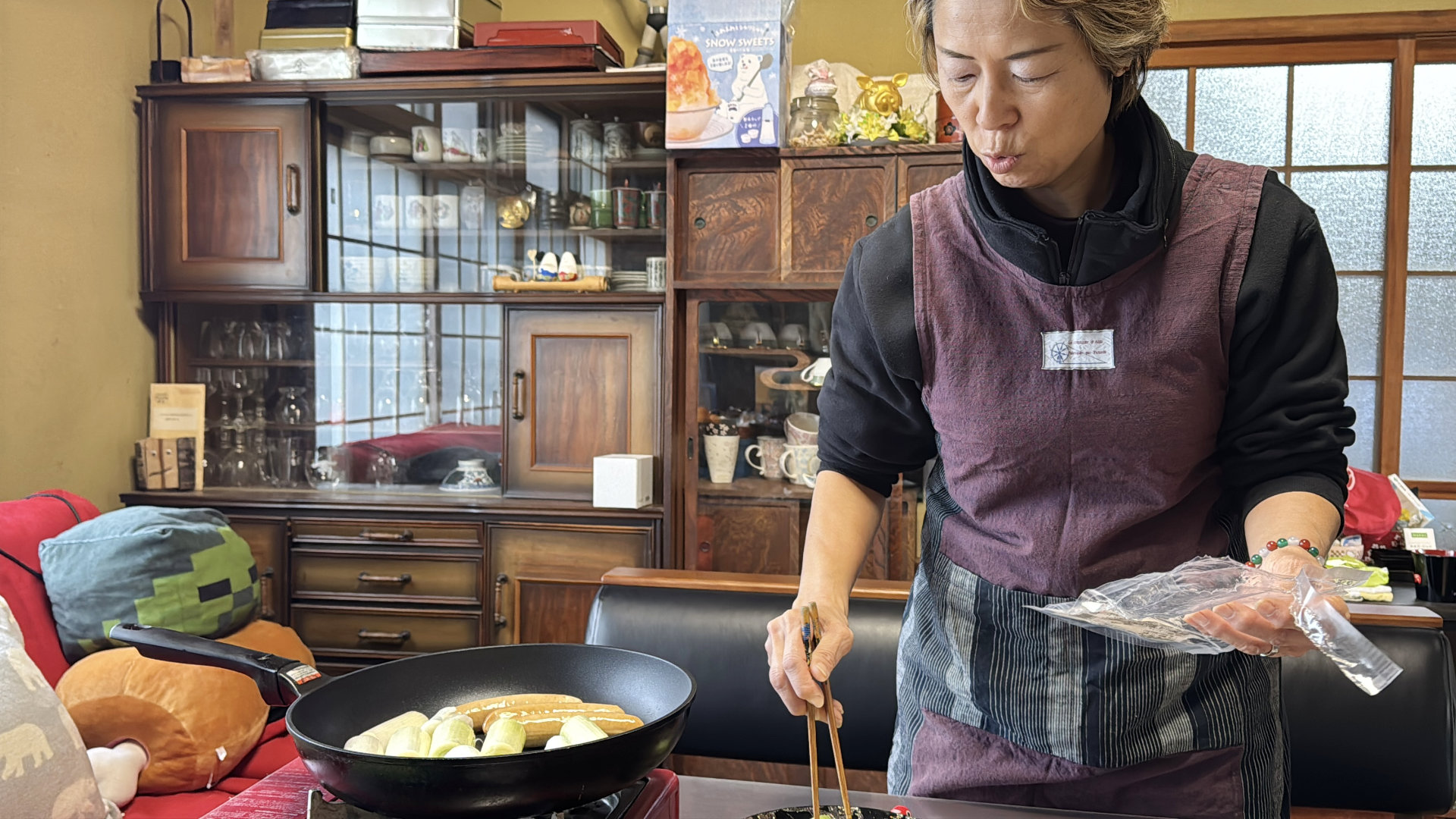
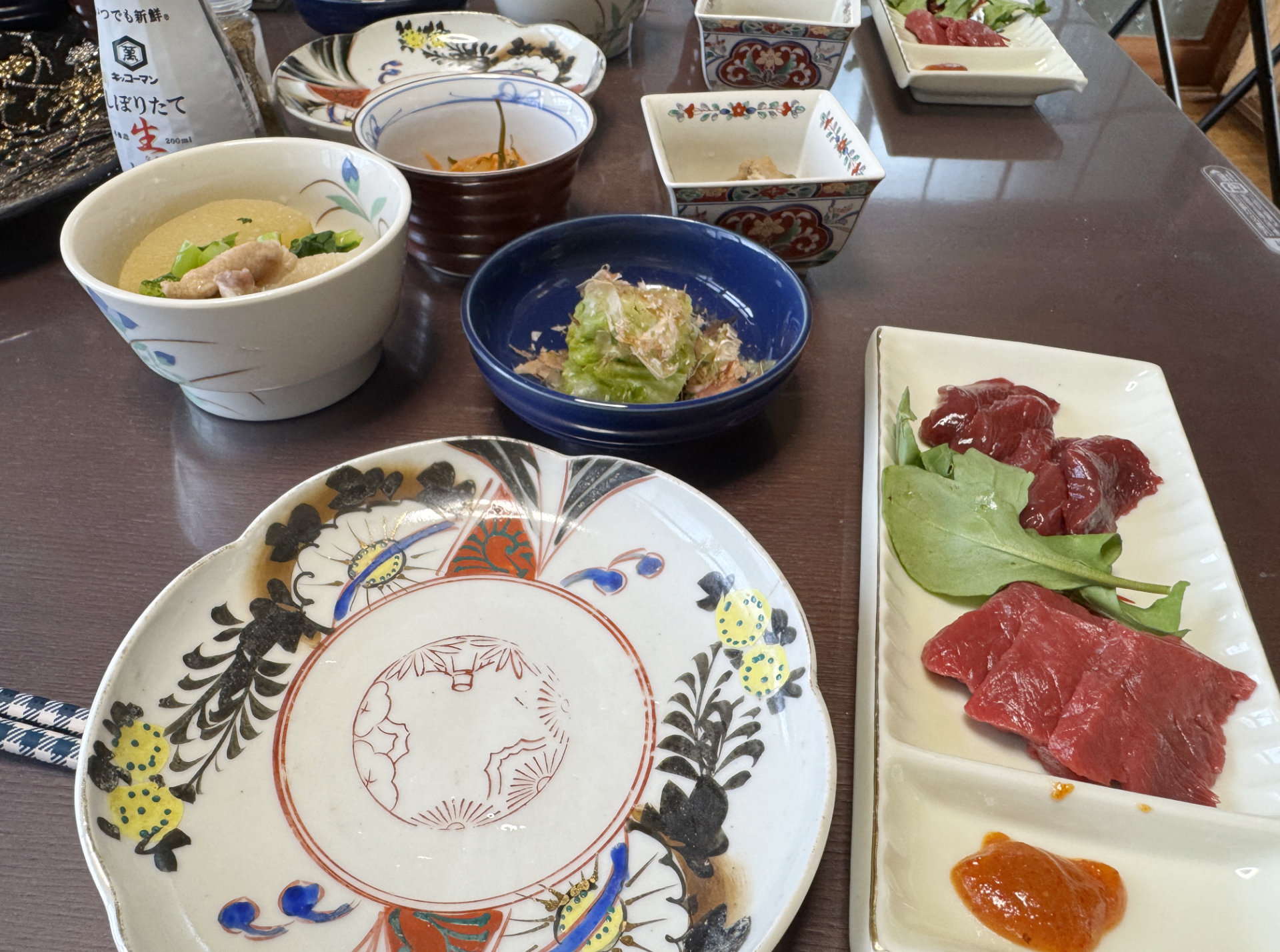
Once back home, Motoko and Satoru began preparing the meal. The freshly harvested green onions were grilled in a pan with sausages. The table was filled with vegetables picked just moments before, along with many local specialties: Aizu jidori chicken, ika-ninjin (dried squid with carrots), and a rich tonjiru (pork soup) packed with mushrooms, as well as rice grown in their own fields.
In this region, the sea is far away, so drying fish has long been a common practice, such as bodara, dried cod. Because the fish becomes firm, it is often simmered in soy sauce and sugar for a soft and deep flavor.
Basashi (horse sashimi) is another Aizu specialty. Although eating raw meat may be unusual for some, the texture is surprisingly tender, almost melting in the mouth. Every dish was delicious, prepared with care and heart.
Sub Title : Farm Stay
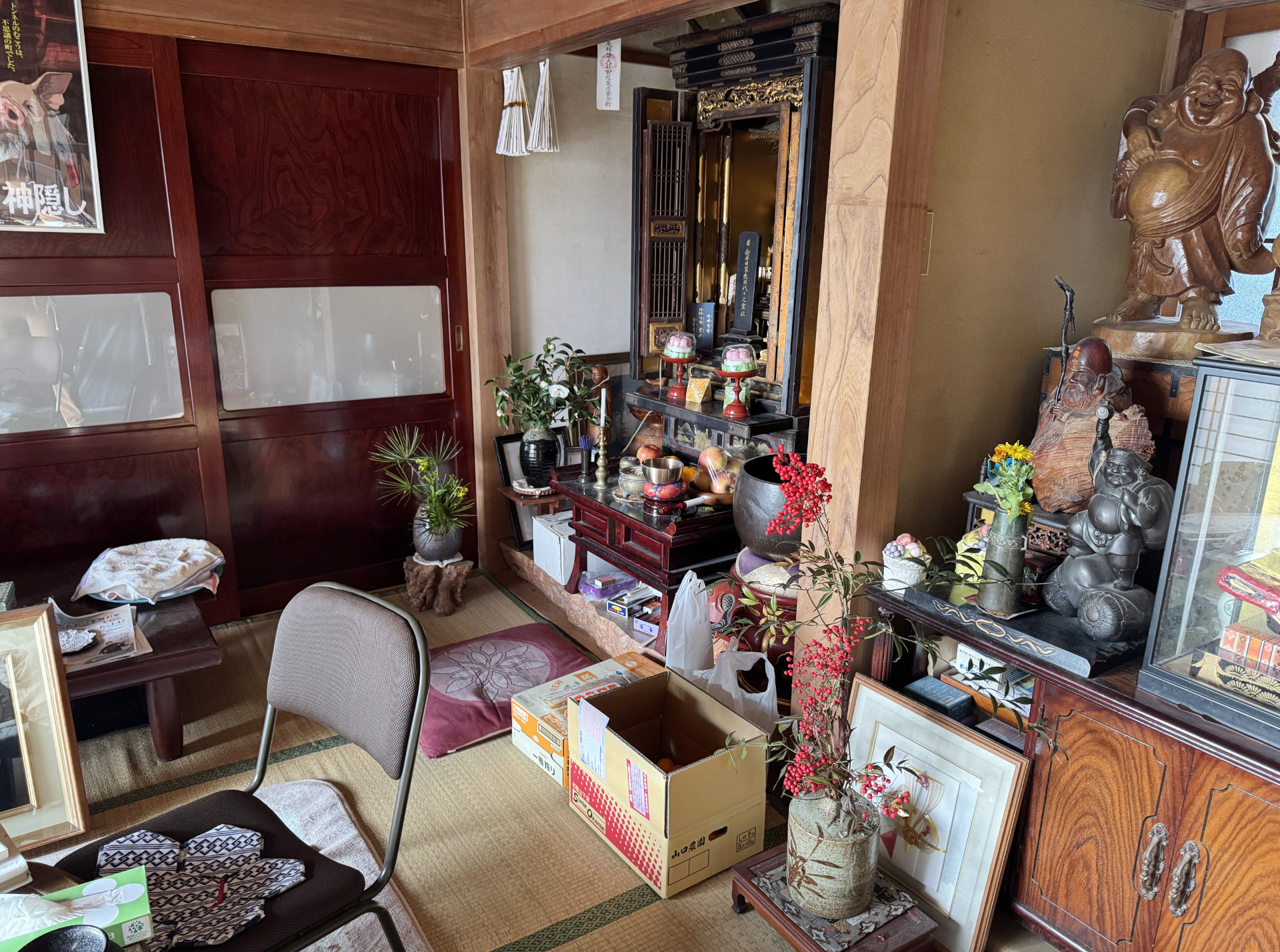
This farm also offers the chance to stay overnight and enjoy a truly authentic experience with locals. The house is called “Ippuku-ya” a name that means to “take a breather”. Up to four guests can stay in a traditional Japanese room with tatami mats, futons, and details found only in Japanese homes, such as the butsudan, a Buddhist altar used to honor the Buddha, ancestors, and departed family members.
During the stay, guests can try ikebana (flower arrangement) with the grandmother, enjoy a tea ceremon, or take part in origami with the family. These gentle, hands-on activities offer a warm introduction to Japanese culture and create meaningful moments shared across generations.
Instead of staying in an ordinary hotel, why not experience the warmth of a welcoming family in the Japanese countryside?
Information
- Name:
- Ippuku-ya
- Address:
- 1777 Nishiaso, Kita-Aizu-machi, Aizuwakamatsu-shi, Fukushima, Japan
- Business Hours:
- Yearly. April–June and September–October are peak farming seasons, so reserving is subject to consultation.
- Access:
- 20 minutes by car from central Aizuwakamatsu or 1.5 hours by car from Kouriyama Station
- Official Website:
- https://aizu-gt.jp/members/44(Japanese only)