A Region Shaped by Handcraft and Prayer — Embody the Spirit of a Japanese Artisan
On today’s Travelogue of the Diamond Route, a sightseeing route connecting Tokyo with Fukushima, Ibaraki, and Tochigi, we explore the theme:
“A Region Shaped by Handcraft and Prayer — Embody the Spirit of a Japanese Artisan.”
This journey invites travelers to slow down and discover Japan through the hands of its artisans—people who shape clay, paper, and light with patience passed down through generations.
Our adventure begins in Kasama City, Ibaraki Prefecture, a town celebrated for its pottery heritage and local flavors such as sweet, earthy chestnuts. Surrounded by gentle hills and historic temples, Kasama is a place where craftsmanship and spirituality quietly coexist.
The Legacy of Kasama-yaki Pottery
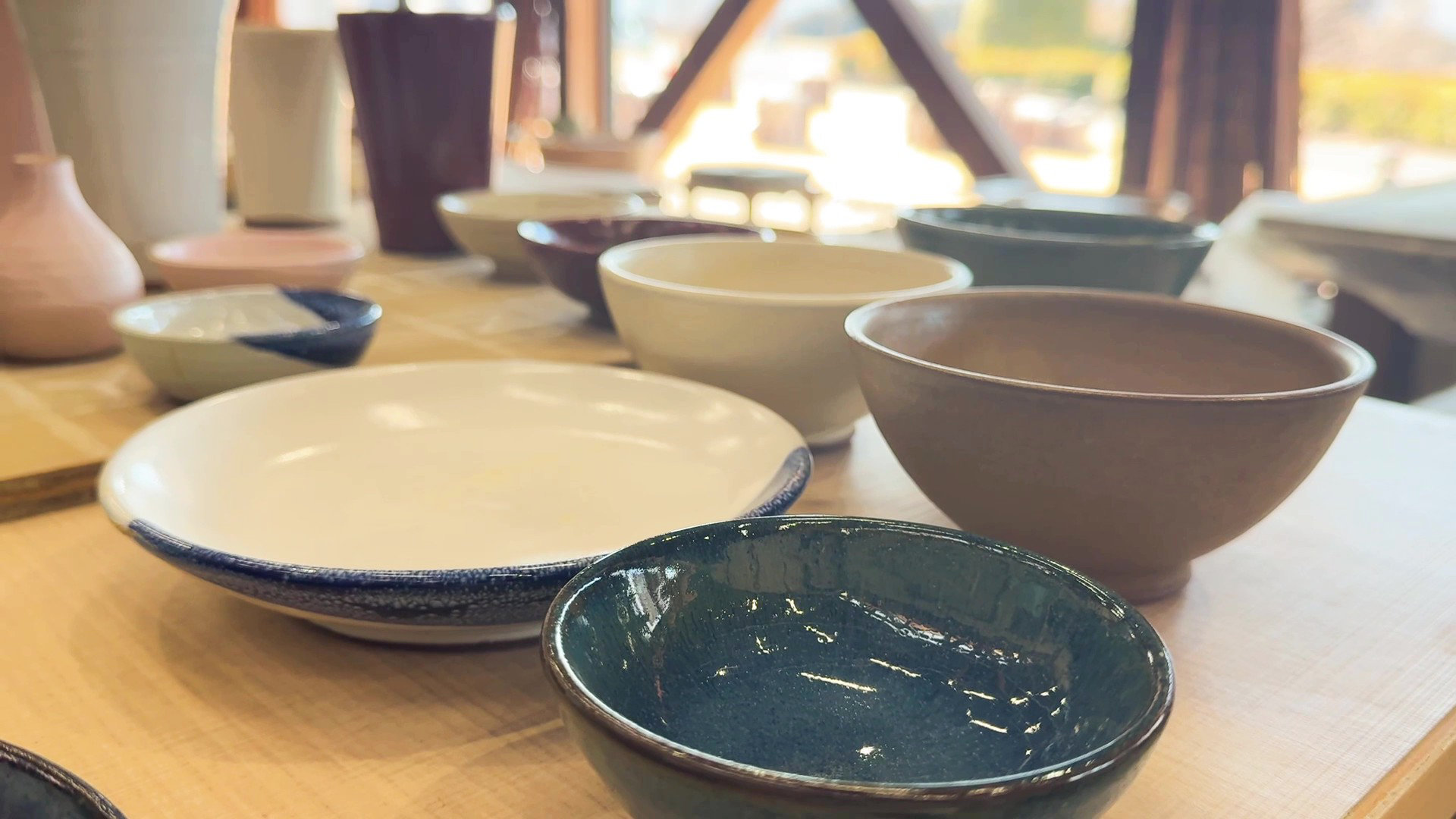
Kasama-yaki is a traditional style of pottery from Ibaraki Prefecture with a history of more than 250 years. While many Japanese ceramic traditions are known for strict forms and techniques, Kasama-yaki is admired for its openness and creative freedom. Each artisan is encouraged to express individuality, resulting in pieces that range from rustic and earthy to modern and refined.
The true charm of Kasama-yaki lies in its relationship with daily life. Plates, cups, and bowls are designed to be used—not simply admired. Over time, subtle changes in texture and color appear, allowing each piece to develop its own personality. The more it is used, the more it becomes part of the owner’s story.
Kasama-yaki reflects the Japanese philosophy that beauty can be found in imperfection and simplicity, reminding us that handmade objects hold warmth that mass-produced items cannot replicate.
Experiencing Pottery Firsthand at Kasama Craft Hills
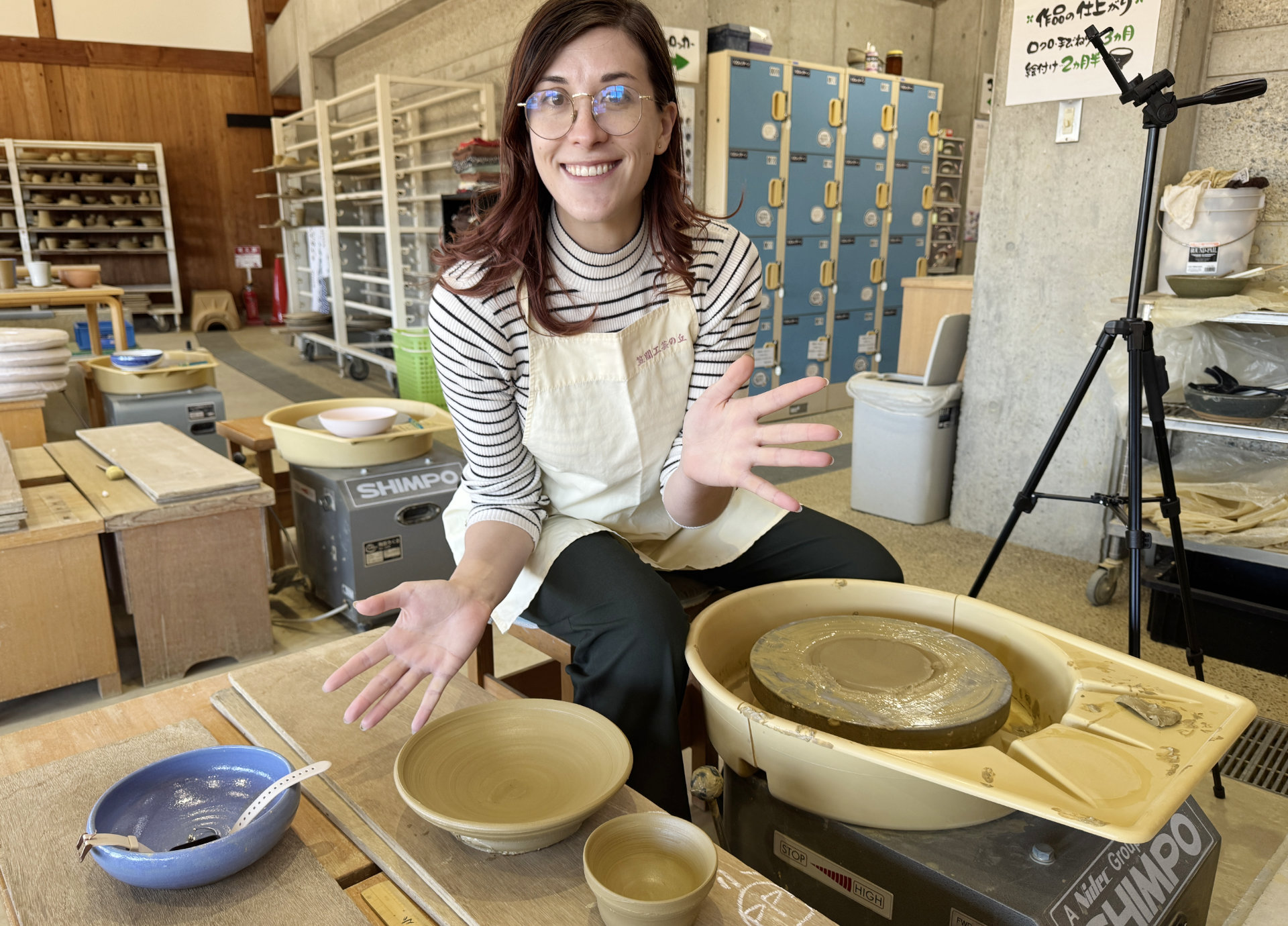
To truly understand Kasama-yaki, I visited Kasama Craft Hills (Kasama Kōgei no Oka) and participated in a pottery-making experience.
Under the guidance of an experienced instructor, I sat at an electric wheel and placed my hands on a lump of soft clay. As the wheel slowly turned, I learned how to shape the clay with steady pressure and careful movements. At first, the clay wobbled and leaned, but with gentle corrections, it began to take form.
What impressed me most was the patience of the instructor, who explained that many of the artisans here have spent decades refining these movements until they become almost meditative. The process felt less like “making something” and more like having a quiet conversation with the material itself.
When the piece was complete, I was told it would be fired in a kiln and later sent to my home. Even international visitors can arrange overseas shipping for an additional fee, allowing this memory to travel across borders.
Holding something I had shaped with my own hands felt deeply meaningful—an experience that transformed me from observer into creator.
Take a Piece of Kasama Home
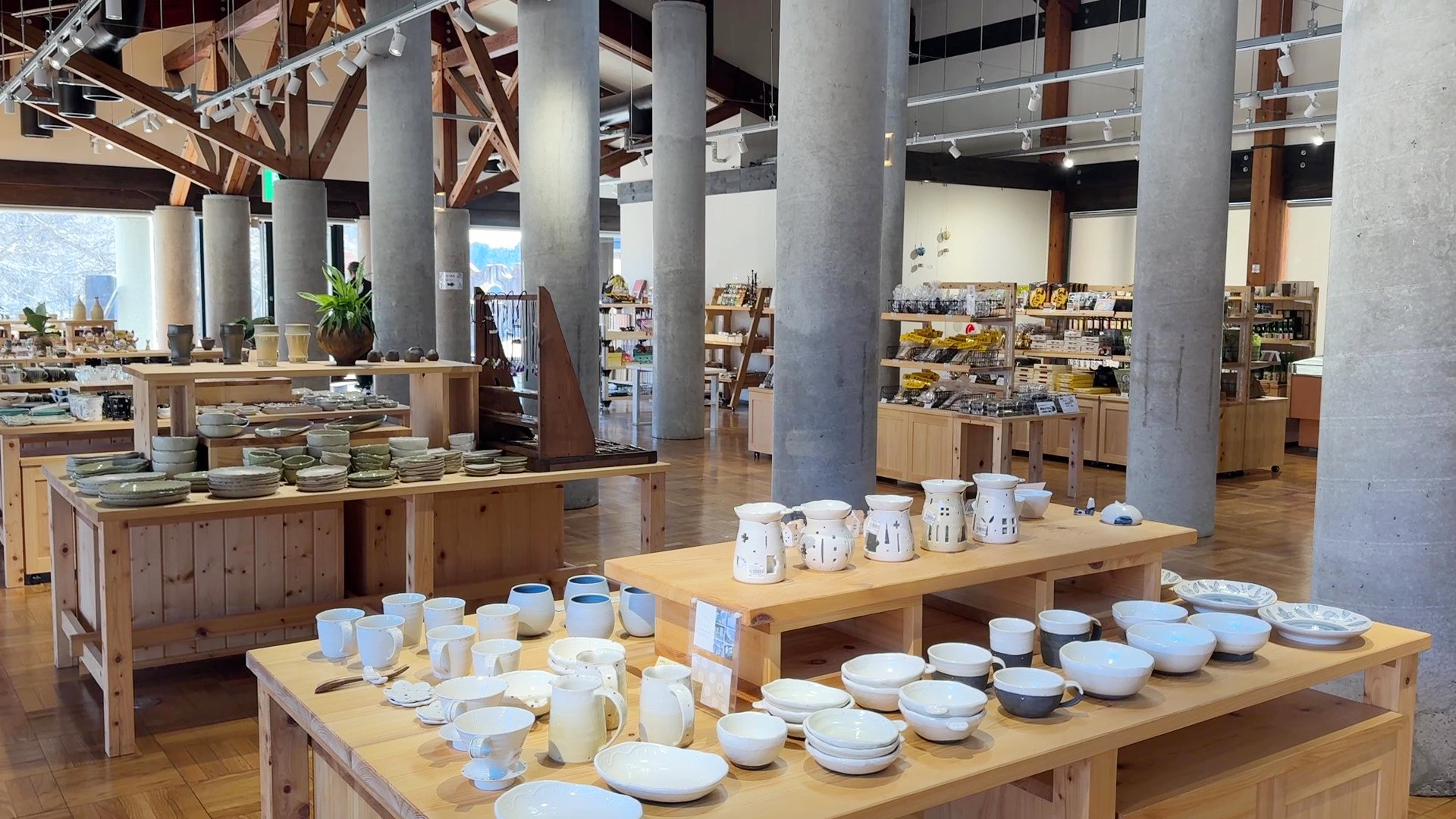
At the Kasayama Craft Hills Shop, visitors can browse a wide variety of Kasama-yaki pottery and handcrafted goods. From elegant teacups to everyday plates, each piece has its own story.
These items make meaningful souvenirs—not simply because they are beautiful, but because they represent the people and traditions behind them. Bringing one home feels like carrying a small piece of Kasama’s spirit with you.
They also make thoughtful gifts for friends and family, offering something far more personal than ordinary keepsakes.
Kasama Inari Shrine and the surrounding Monzen-machi
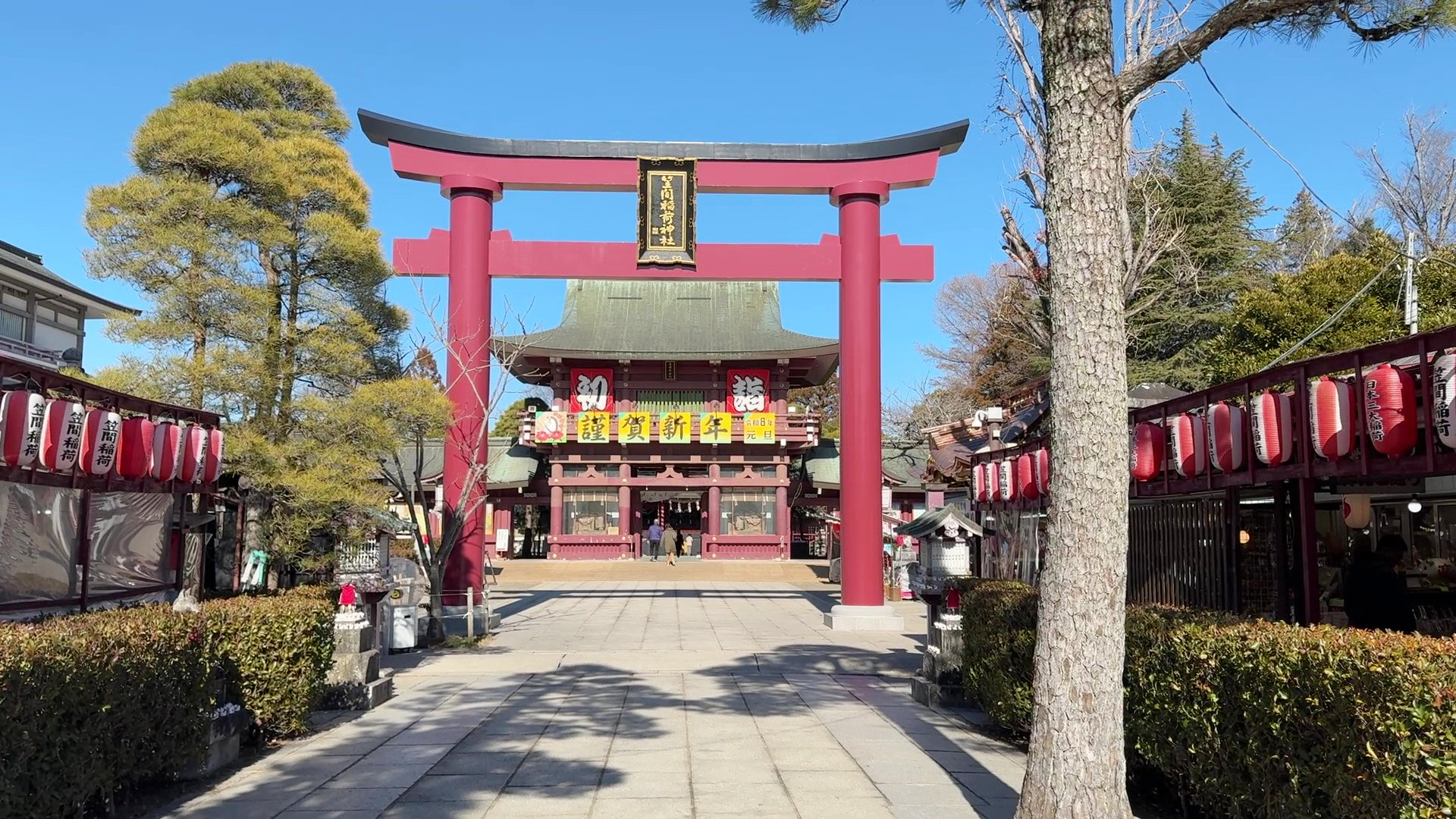
On your journey to Kasama City, you can also visit the Kasama Inari Shrine, under a 10 minute drive from Kasama Craft Hills. This shrine is among the top three largest Inari Okami shrines in Japan, along with Yutoku Inari Shrine in Saga, and the famous Fushimi Inari-taisha in Kyoto. This shrine built in 651 AD has over thirteen centuries of history, which you can feel as you walk under its massive torii gate entering the shrine grounds. Visitors can purchase a goshuin stamp to commemorate their visit, or an omamori amulet to offer protection for various purposes.
Surrounding the shrine is the monzen-machi or a traditional temple town built with the shrine at its center. The main street is lined with shops selling goods ranging from souvenirs and daruma to soba and sweet chestnut treats.
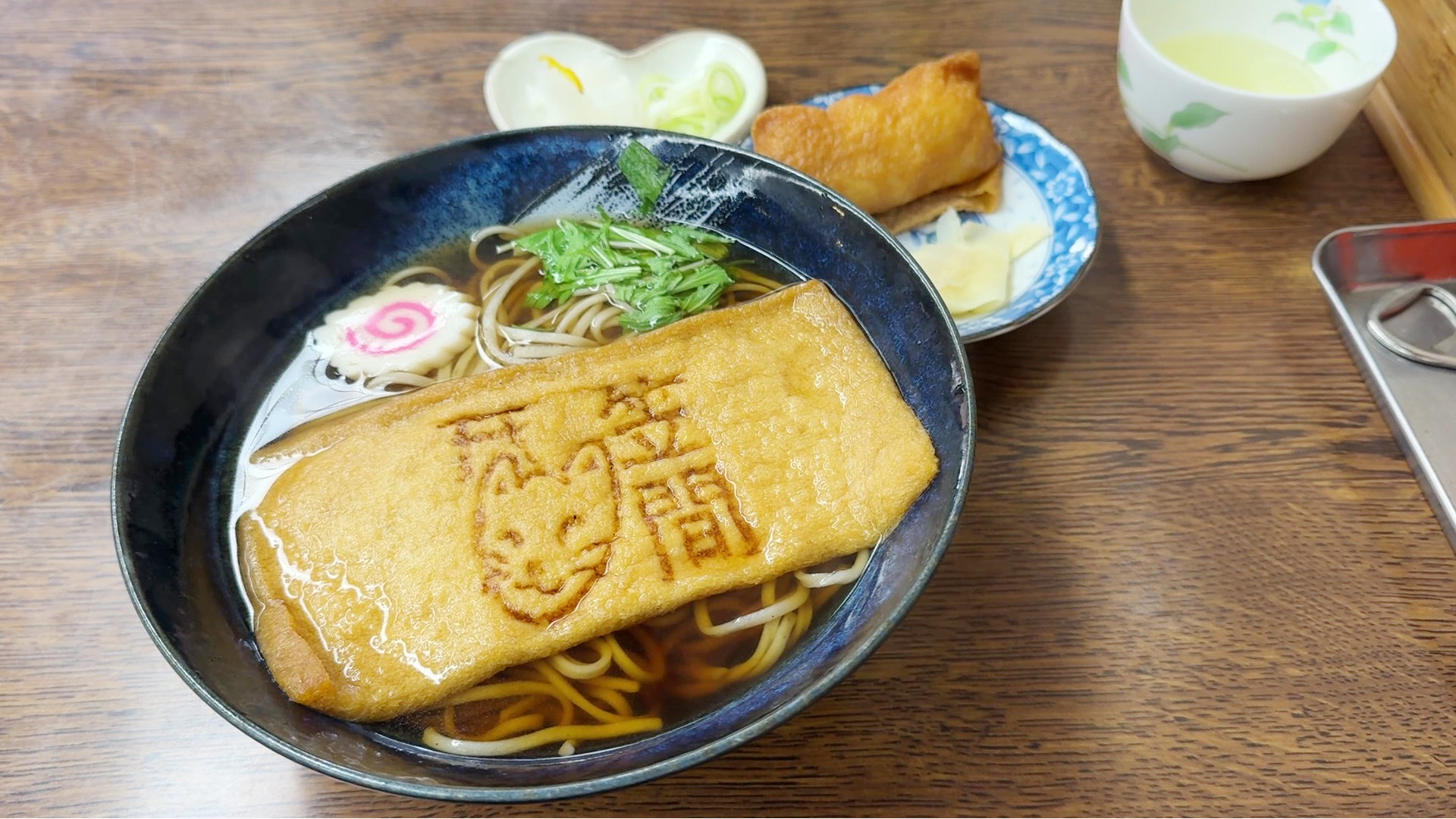
When I visited, I stopped by the soba shop Kashiwa and enjoyed the local take on the classic kitsune soba dish. The sweet abura-age tofu was stamped with an adorable image of a fox and the words “Kasama” (笠間), making it the perfect commemorative bite for a visit to Kasama.
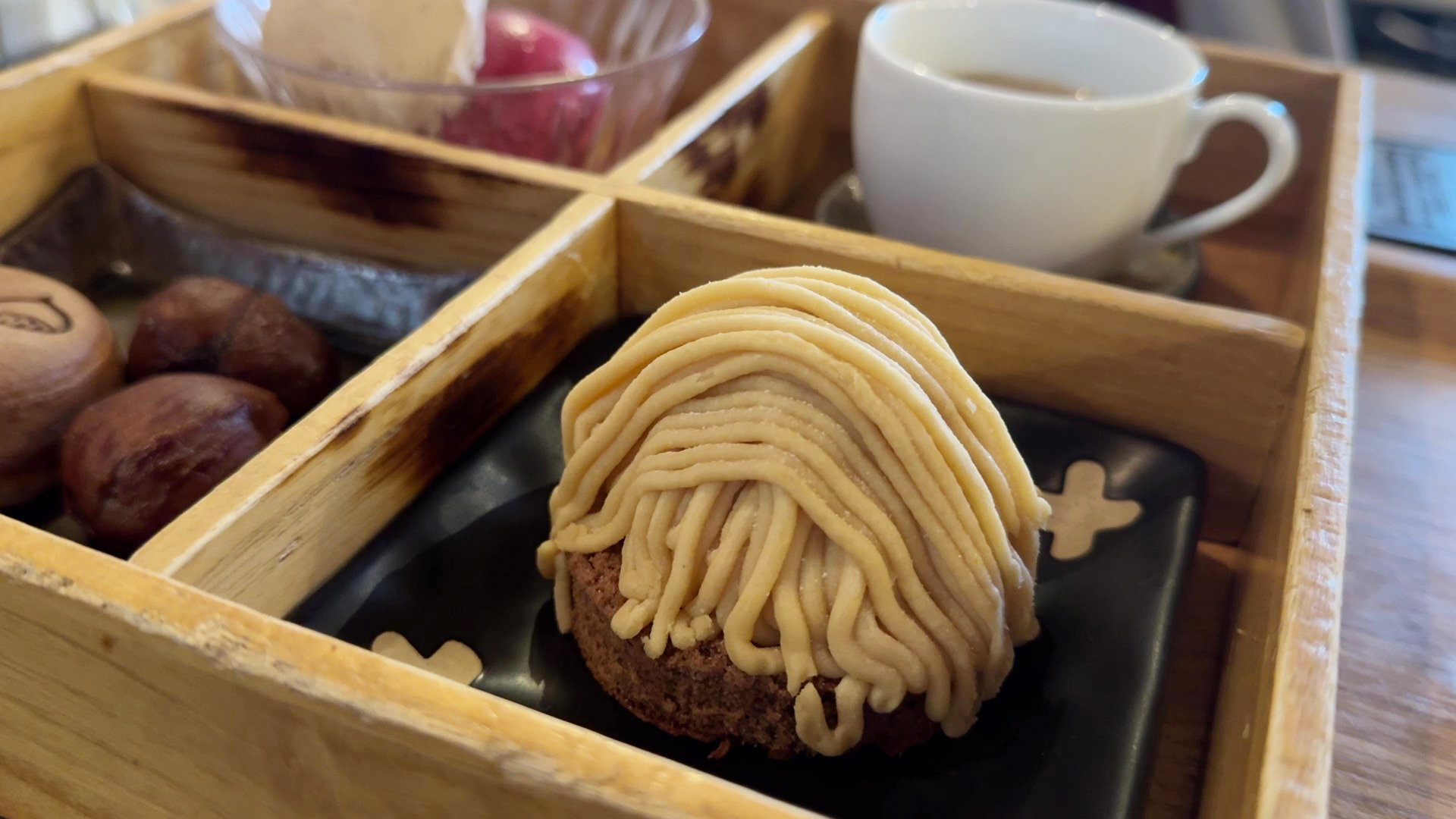
I also stopped by a chic cafe called KULA to try the city’s famous chestnuts, specifically in sweets form. I enjoyed the “kuri zanmai” plate, which offered chestnut gelato, pudding, of course the popular mont blanc.
When you’re in the area, be sure to try some delicious foods in the monzen-machi!
Discovering the Warm Glow of Suifu Lanterns
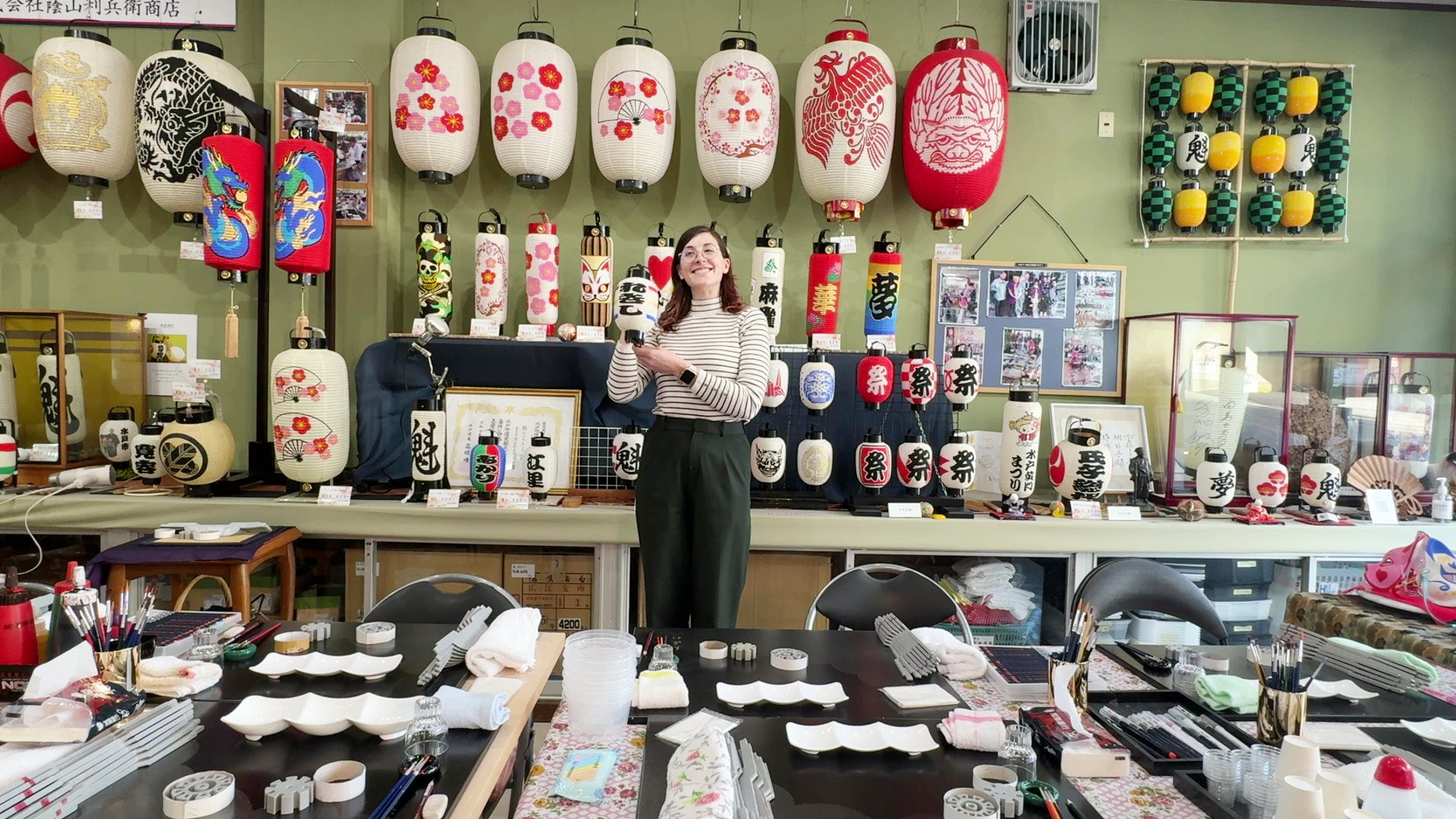
From Kasama, the journey continued to Mito City, where I took part in a traditional lantern-making experience.
Suifu (or Mito) lanterns are an important cultural craft of Ibaraki Prefecture, handmade entirely from washi paper and bamboo frames. In the past, these lanterns guided travelers through dark streets and temple paths. Today, they are treasured as symbols of warmth, hospitality, and Japanese aesthetic harmony.
Founded in 1798, Kageyama Rihei Shoten has handcrafted traditional Suifu lanterns in Mito for more than 220 years. While adapting to the times, the workshop continues to preserve its signature hand-painted crests and calligraphy, giving each lantern a unique, one-of-a-kind character. The 9th-generation owner, Koichi Kageyama, the only certified Ibaraki Traditional Craftsman of Suifu lantern-making, personally completes every step of production—from shaping bamboo frames to applying paper and painting designs by hand. Alongside its commitment to tradition, the shop embraces innovation through lantern-making workshops for both domestic and international visitors, allowing guests to experience this heritage craft firsthand. These creative exchanges inspire new designs and materials, including the development of more durable, water-resistant lanterns for the future.
The workshop here began with learning how to craft the lantern, starting with creating the shape using a plastic or bamboo frame, then weaving wire or thread around the frame to create a base on which you can glue the washi paper. After the washi paper has dried, you decorate the “face” of the lantern. Using brushes and ink, I painted my own characters and designs. Under the careful instruction of artisans at Kageyama Rihei Shoten, every stroke required concentration and intention.
At one point, I accidentally drew outside the lines. I felt embarrassed, but Mr. Kageyama smiled and said that such moments were also part of the artwork. “This is what makes it yours,” he explained.
That simple comment revealed an important lesson: Japanese craftsmanship values sincerity over perfection. The lantern became not just a decorative object, but a reflection of my own personality and experience.
A Journey of Connection and Reflection
These encounters with pottery and lantern-making offered more than hands-on activities—they became moments of reflection.
From shaping clay to painting lanterns, each step required stillness and focus. The rhythm of the wheel, the softness of the paper, and the quiet atmosphere of the workshops created a space where time seemed to slow down.
Spending time with artisans who devote their lives to preserving these traditions allowed me to better understand how craftsmanship in Japan is intertwined with spirituality and respect for materials. Every piece carries not only skill, but intention, memory, and prayer.
It was a reminder that travel can be more than sightseeing—it can be a way to reconnect with creativity and patience.
What do you think? Can you imagine yourself shaping clay on a spinning wheel or painting your own lantern under the guidance of a master artisan?
In this model course, “A Region Shaped by Handcraft and Prayer — Embody the Spirit of a Japanese Artisan,” travelers can immerse themselves in authentic creative experiences. In addition to Kasama pottery and Mito lantern-making, other crafts such as akeboko painting in Aizu-Wakamatsu, Fukushima Prefecture, are also available—allowing visitors to explore regional artistry across the Diamond Route.
More details about these experiences can be found on our website—be sure to explore them and plan your own journey.
Thank you for traveling with us along the Diamond Route.
We look forward to bringing you along on the next adventure!
Information
Kasama Craft Hills Pottery Experience Basic Information
- Name:
- Kasama Craft Hills (笠間工芸の丘)
- Address:
- 2388-1 Kasama, Ibaraki 309-1611
- Business Hours:
- 10:00 AM - 5:00 PM
3 slots for pottery experience per day:
- 10:30~11:40
- 13:00~14:10
- 14:50~16:00
- Closed:
- Mondays
- Price:
- ¥4,700
- Access:
- Easily accessible from Tokyo in about 90 minutes. Take the JR Joban Line to Tomobe Station, then transfer to the JR Mito Line and get off at Kasama Station. From Kasama Station, it is about a 20-minute walk or a short taxi ride. The facility is also accessible by car, with free parking available on site.
- Official Website:
- https://kasama-crafthills.com/
*Japanese only
International Shipping Costs for the Kasama-yaki Pottery Experience
| Region | Base Fee (1st item) | Additional Fee (from 2nd item onward) | Fee from 9th item onward (new box) |
|---|---|---|---|
| China, Hong Kong, Taiwan, South Korea | ¥2,600 per item | +¥600 per additional item | Base fee ¥2,600 applies again |
| Vietnam, Thailand, Indonesia, Philippines, Singapore | ¥3,400 per item | +¥800 per additional item | Base fee ¥3,400 applies again |
| Europe, Middle East, Canada, Mexico, Oceania | ¥4,900 per item | +¥1,150 per additional item | Base fee ¥4,900 applies again |
| Central & South America (excluding Mexico), Africa | ¥5,850 per item | +¥1,350 per additional item | Base fee ¥5,850 applies again |
| North America (including overseas territories such as Guam) | ¥5,700 per item | +¥1,300 per additional item | Base fee ¥5,700 applies again |
Kasama Inari Shrine Basic Information
- Name:
- Kasama Inari Shrine (笠間稲荷神社)
- Address:
- 1 Kasama, Kasama-shi, Ibaraki-ken 309-1611
- Business Hours:
- 8:00 AM - 4:30 PM
- Closed:
- Open year-round
- Price:
- Free
- Access:
- Kasama Inari Shrine is just a 10-minute walk from Kasama Station on the JR Mito Line, making it easy to visit during a trip to Kasama. Paid parking available for those arriving by car.
- Official Website:
- http://www.kasama.or.jp/eng/index.html
Kageyama Rihei Shoten Lantern Making Experience Basic Information
- Name:
- Kageyama Rihei Shoten (影山利兵衛商店)
- Address:
- 3 Chome-3-7 Honcho, Mito, Ibaraki 310-0815
- Business Hours:
- 9:00 AM - 7:00 PM
- Closed:
- Open year-round (excluding New Year’s and Obon Holidays)
- Price:
- ¥4,300 (for the course where you can choose your characters)
- Access:
- Conveniently located in central Mito City. From JR Mito Station, it is about a 15-minute walk or a 5-minute taxi ride. The shop is easy to reach and makes a great stop when exploring Mito’s historic downtown area. Parking is available onsite for visitors arriving by car.
- Official Website:
- https://kageyamashouten.com/
*Japanese only
Akeboko Painting Article
https://diamondroutejapan.com/travelogue/post-painting-joy.html