Fermented Fukushima: A Journey Through Time, Taste, and Revival
Fukushima’s Soul in a Bottle
On this issue of Diamond Route: 2026 Travelogue, we travel to Fukushima to explore the rich world of fermented flavors produced across the region — from traditional methods perfected over centuries to bold, modern craft sake created with innovative spirit.
Fukushima’s beauty is not only found in its dramatic coastlines, mountain ranges, and quiet rural landscapes. Its true essence lives in something invisible: the quiet, transformative power of fermentation.
For thousands of years, fermentation has shaped daily life in Japan — not merely as a preservation technique, but as a cultural language that translates climate, craftsmanship, and memory into flavor. In Fukushima Prefecture, that language speaks especially clearly. Repeatedly recognized as Japan’s most awarded region at the Annual Japan Sake Awards, Fukushima is often called a sacred land of sake. Yet its fermentation culture extends far beyond rice wine.
Here, centuries-old miso makers coexist with boundary-pushing craft brewers emerging from towns once devastated by the 2011 disaster. One sip — of miso soup, craft sake, or amazake— reveals not just taste, but resilience, reinvention, and harmony with nature.
This is a journey into fermented Fukushima.
Wakamatsu Miso & Soy Sauce Shop (Minamisoma)
Over 150 Years of Living Tradition
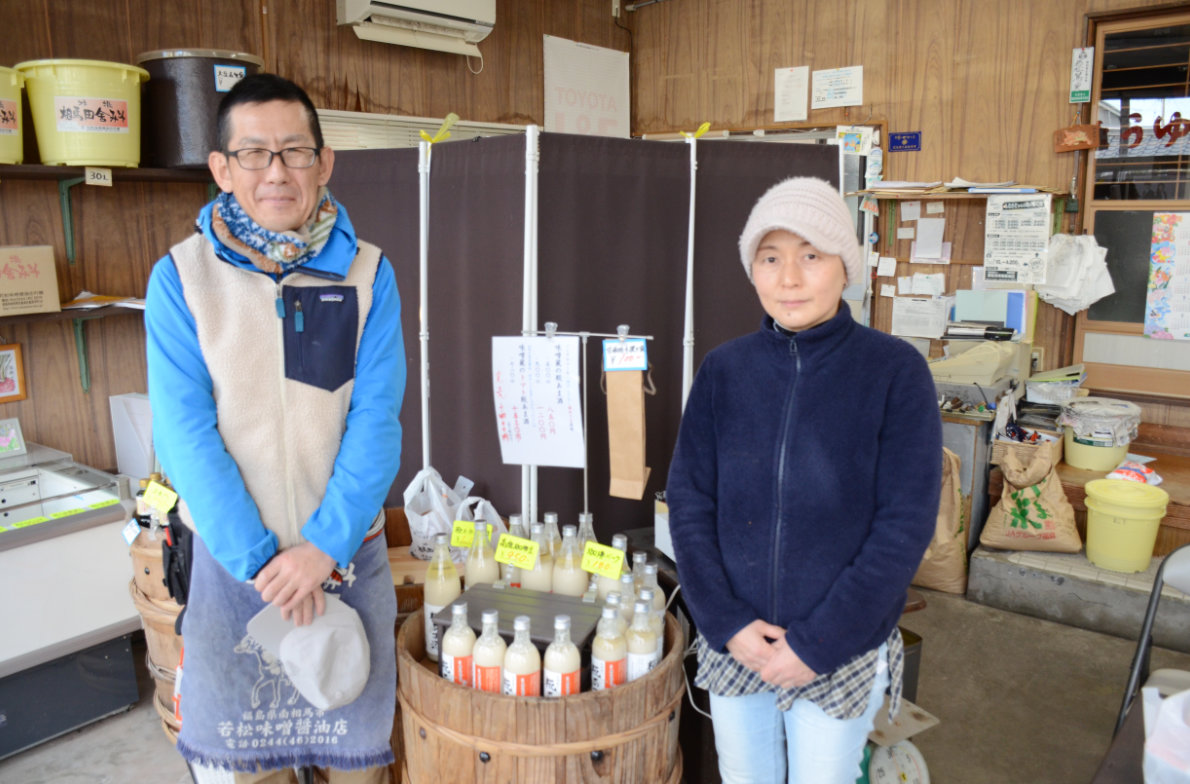
Tucked into the coastal city of Minamisoma, Wakamatsu Miso & Soy Sauce Shop has been producing fermented seasonings for more than 150 years. Walking through its doors feels less like entering a store and more like stepping into a living timeline of flavor.
The aroma greets you first — deep, nutty, slightly sweet. It is the scent of soybeans and koji quietly transforming over months and years. Inside, fermentation is not hurried; it is patient, practical, and deeply rooted in daily life.
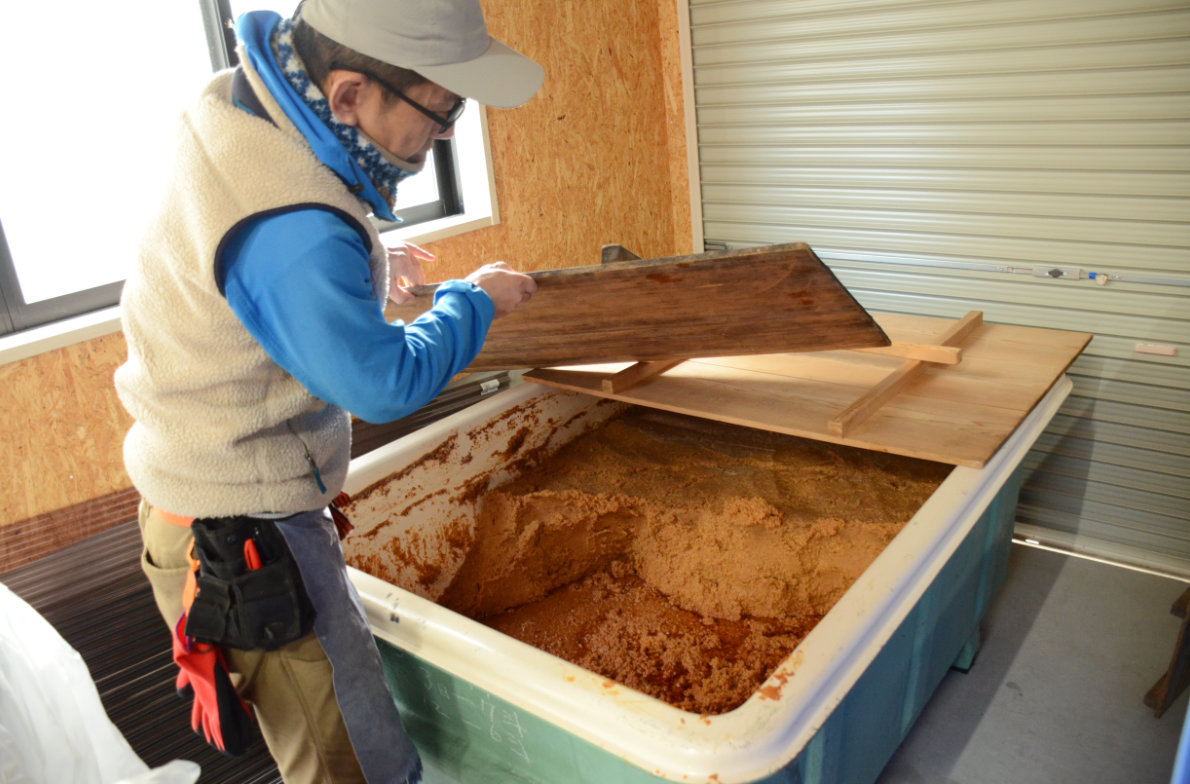
During my visit, I learned how carefully selected soybeans and rice are combined with koji mold, salt, and time to create miso. Mr. Wakamatsu spoke less about trends and more about balance — temperature, humidity, and the rhythm of the seasons. Fermentation here is a collaboration with nature, not a process to be rushed.
What stayed with me most were his comments about how miso can be surprisingly fickle in the speed at which it ferments. Timing production orders and predicting exactly when each batch will reach its ideal flavor profile requires careful observation and intuition. Listening to him, I realized that making miso feels closer to an art form than a strict science — and that very unpredictability is part of what makes the process so compelling.
Beyond miso, the shop also produces soy sauce and amazake — the naturally sweet fermented rice drink enjoyed both warm and chilled depending on the season. These products reflect different expressions of fermentation: savory depth in miso and soy sauce, gentle sweetness and nourishment in amazake. Together, they form the essential building blocks of everyday Japanese cuisine.
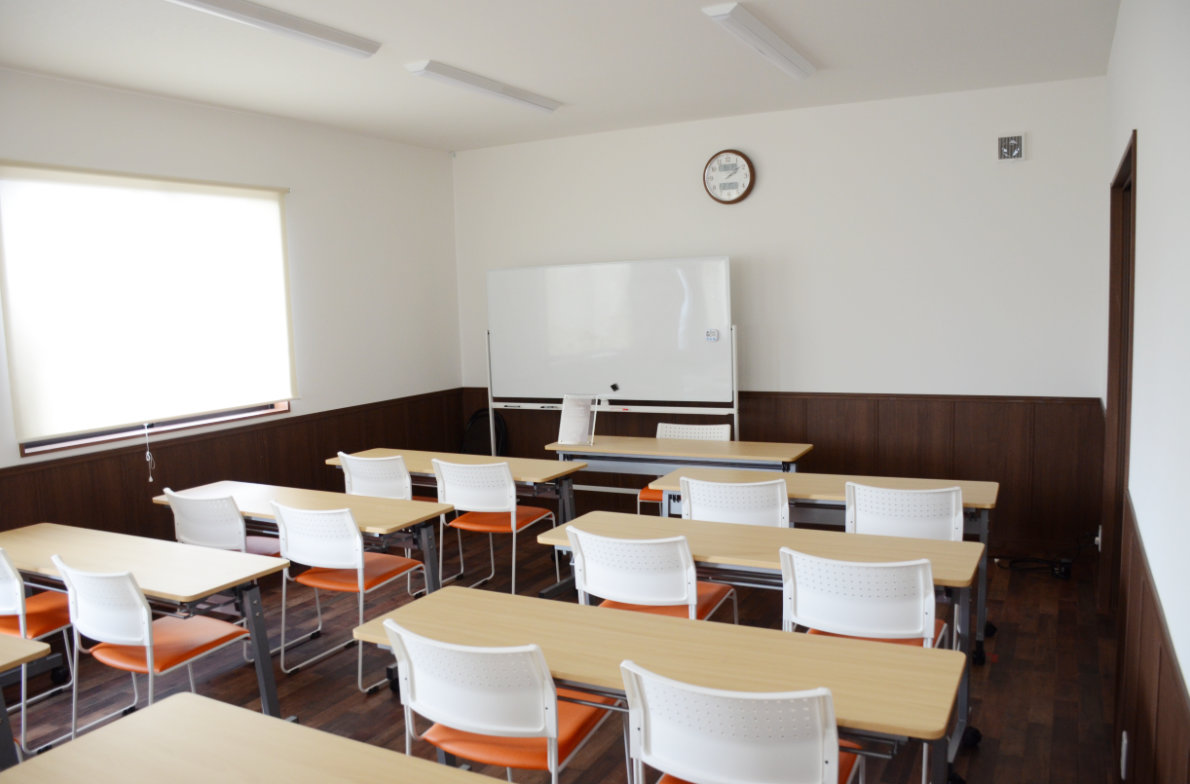
Wakamatsu Miso & Soy Sauce Shop also hosts educational seminars for both children and adults to learn about miso and other fermented foods — how they are made, how to cook with them, and how fermentation fits into daily life. These efforts foster greater knowledge and appreciation for miso, soy sauce, and amazake, strengthening the community that gathers around this store and brings its flavors home to their kitchens. Foreign residents and tourists are welcome to participate, though an interpreter must be arranged independently as classes are conducted in Japanese.
Minamisoma was heavily affected by the 2011 earthquake and nuclear disaster. Yet standing in the brewery, what I felt most was not loss — but continuity and progress. Production resumed. Customers returned. Local households continue to rely on these flavors for everyday cooking.
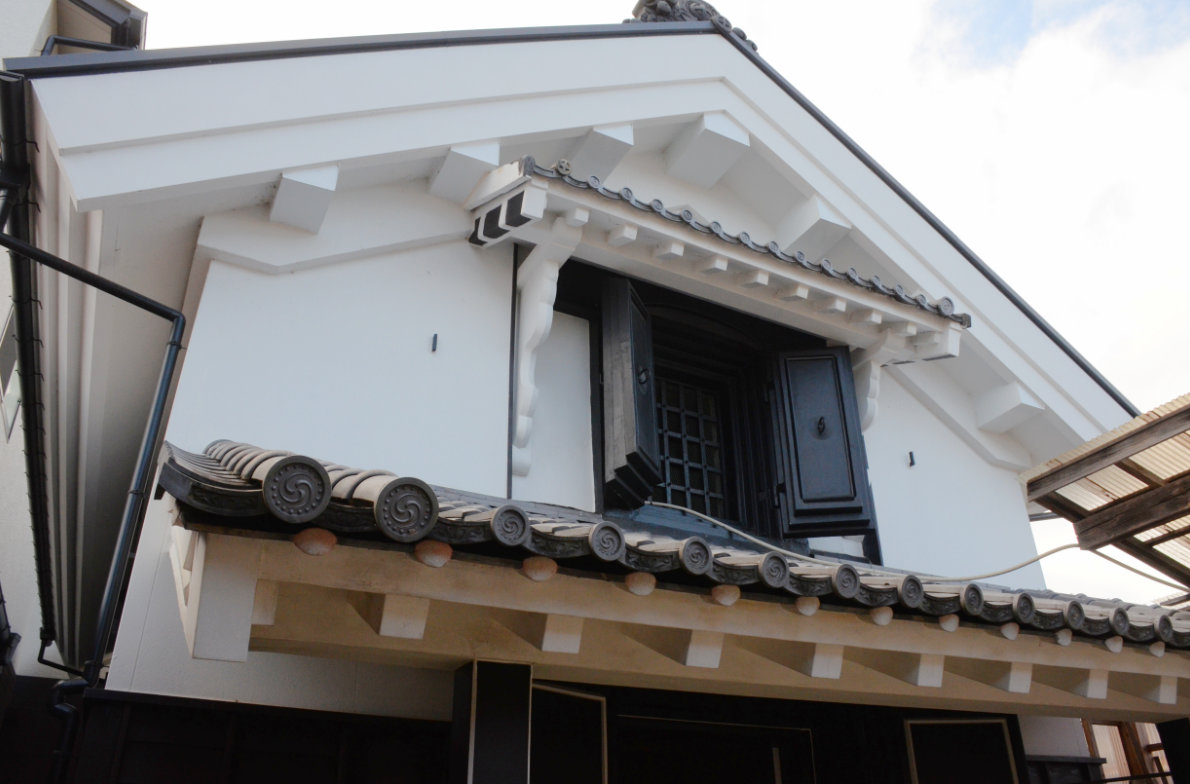
A beautiful kura storehouse, essential for fermentation, has stood proudly in the center of the shop grounds for over a century, alongside an old brick chimney. Both survived the 2011 disaster and now stand as quiet symbols of the resilience of the region and its people.
A spoonful of their miso carries warmth and complexity — earthy yet bright, salty yet rounded. It tastes like home cooking, like family tables, like endurance. In Fukushima, tradition is not frozen in time. It is sustained through repetition, care, and quiet pride.
haccoba Odaka Brewery & Kitchen (Odaka)
Brewing the Future: The Radical Spirit of Craft Sake
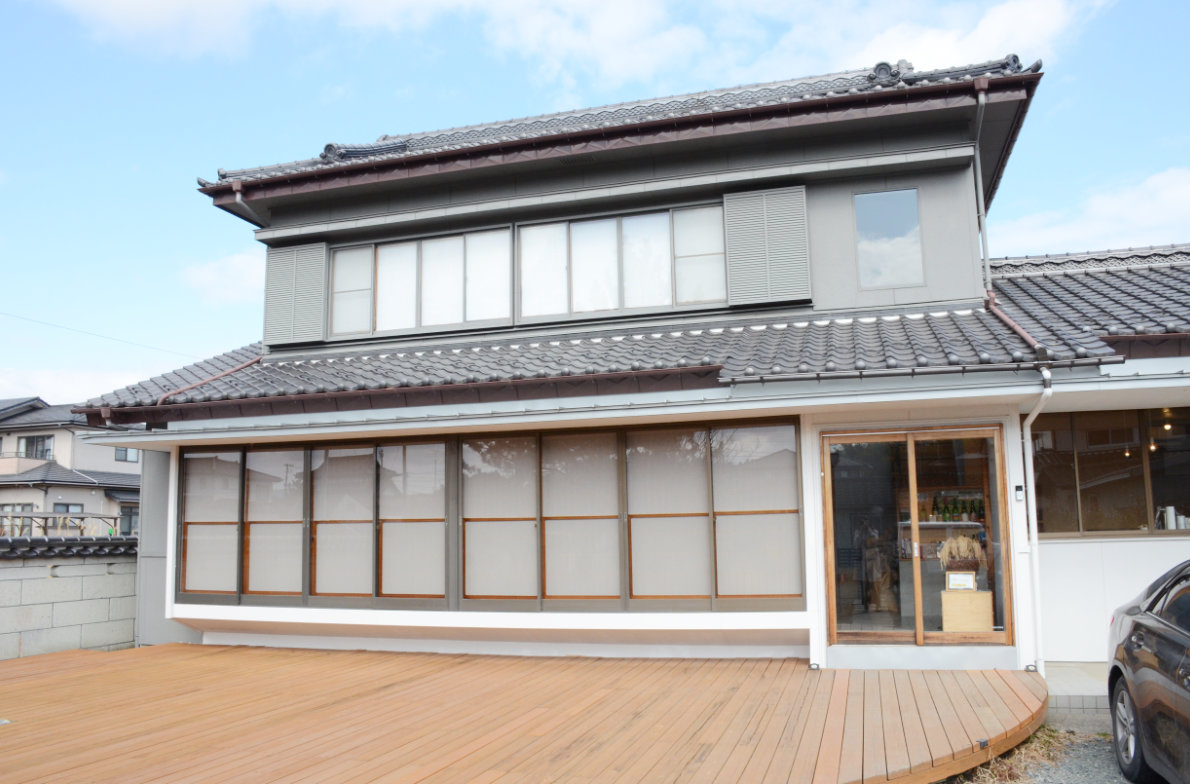
Just a short distance away in Odaka, another fermentation story is unfolding.
haccoba Odaka Brewery & Kitchen is part brewery, part community space, part creative laboratory. Founded in the wake of disaster and established in 2021, haccoba represents a new wave of craft sake makers who question what sake can be. In just a few years, the brewery has created more than 70 different varieties of craft sake.
The bottles are vibrant. The labels feel contemporary. Ingredients sometimes extend beyond traditional rice and water. Yet at its core, the philosophy remains rooted in fermentation as dialogue — with microbes, with the land, and with people.
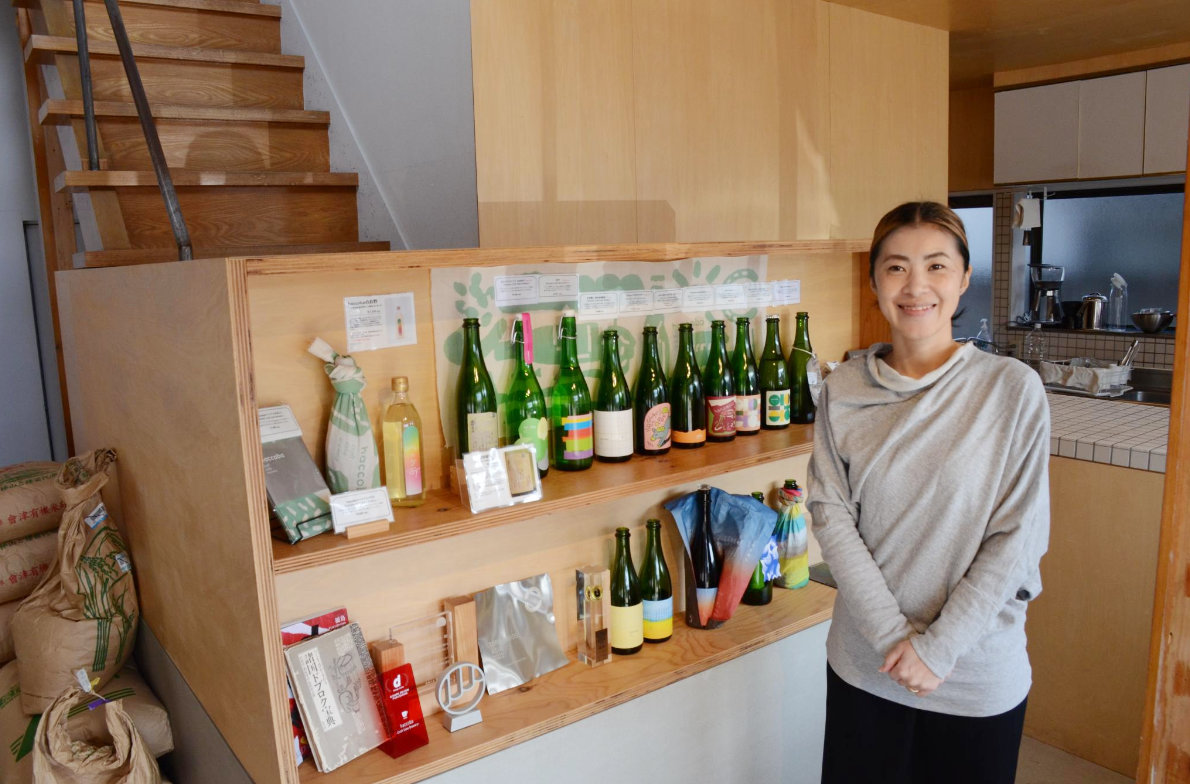
I was guided by one of the founders, Ms. Sato, who explained the traditional sake-making process and how haccoba builds upon that foundation. Their craft sake follows similar fermentation principles, but incorporates herbs, spices, fruits, and other ingredients at different stages of production. The result is a spectrum of flavors that both respect tradition and boldly reinterpret it.
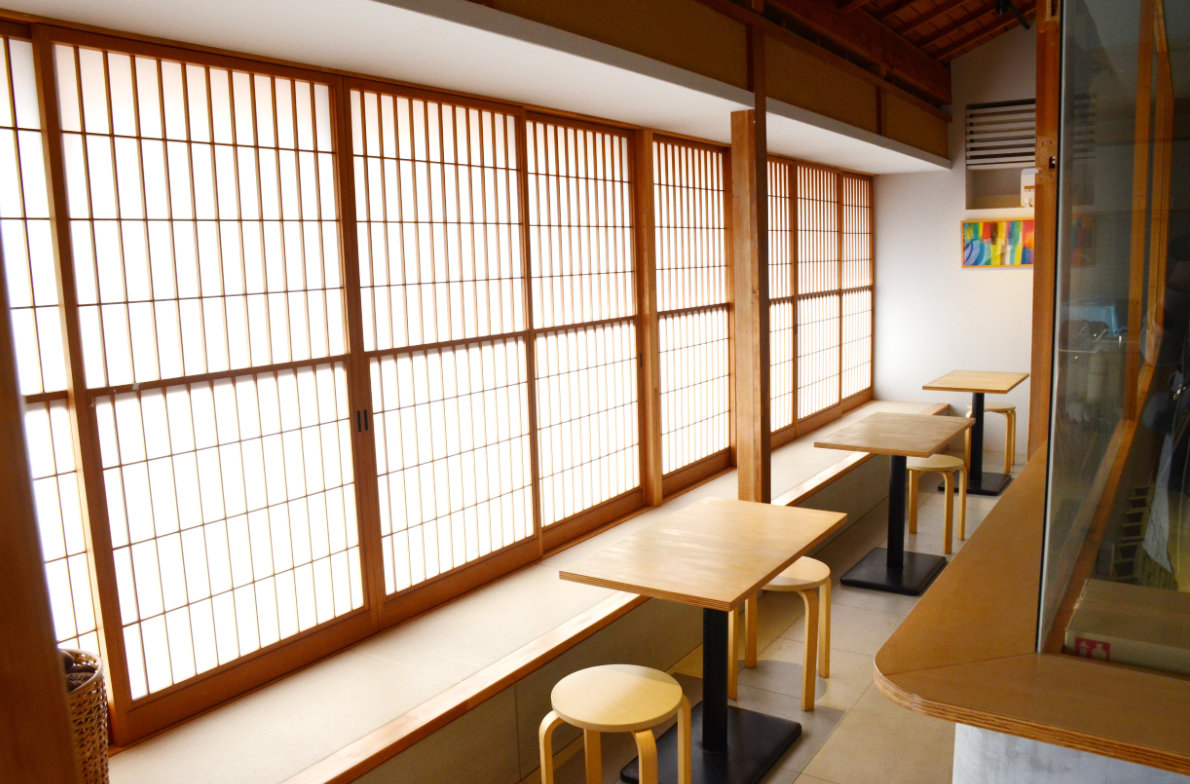
What impressed me most about the brewery was its atmosphere: open, modern, and welcoming. Stainless steel tanks gleamed under contemporary lighting. Ms. Sato explained that the space can be rented for private events — and it truly felt ideal for a stylish work gathering or an evening with friends sampling various sakes. Visitors can also take guided tours of the brewery to learn about the sake-making process from start to finish.
I also heard about their vision for Odaka’s future — not simply preserving what once was, but attracting new energy. Their goal is to invite young creators back, transform vacant spaces into vibrant hubs, and use fermentation as a tool for social revival.
To that end, haccoba works closely with local rice farmers to reinvigorate agricultural production, striving toward the revival of organically grown rice in the area. This had been a significant challenge since 2011, but in 2024 local rice farms were able to restore organic rice production to the area, which is now used in haccoba’s 「水を編む」“Weaving Water” craft sake series shown below.
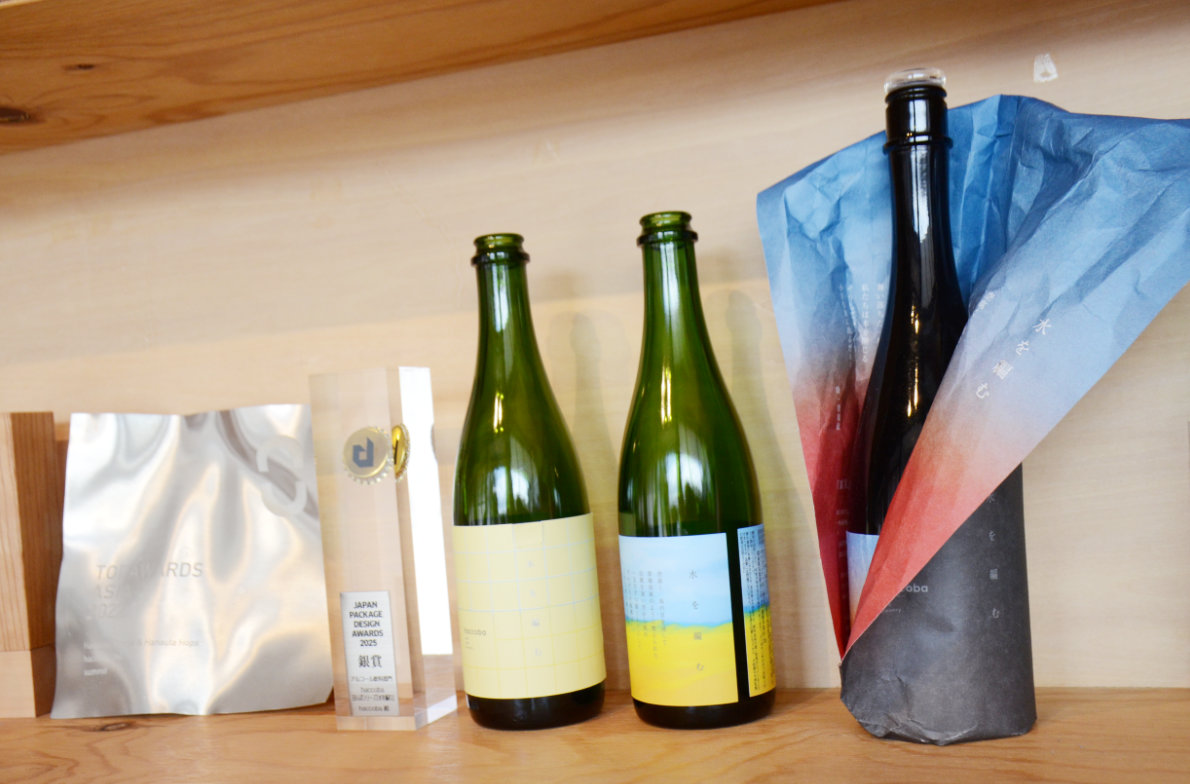
Tasting their craft sake feels distinct from traditional styles — lighter, sometimes fruit-forward, occasionally surprising. But the spirit behind it is unmistakable: innovation and passion. Fukushima’s fermentation culture is not bound by the past; it continues to evolve.
Not five minutes away by car is the haccoba Odaka Station Brewery & Public Market, located inside JR Odaka Station. This bright, open space welcomes visitors and train passengers alike, offering locally crafted goods — from handmade buttons and candles to bottles of sake produced at the brewery.
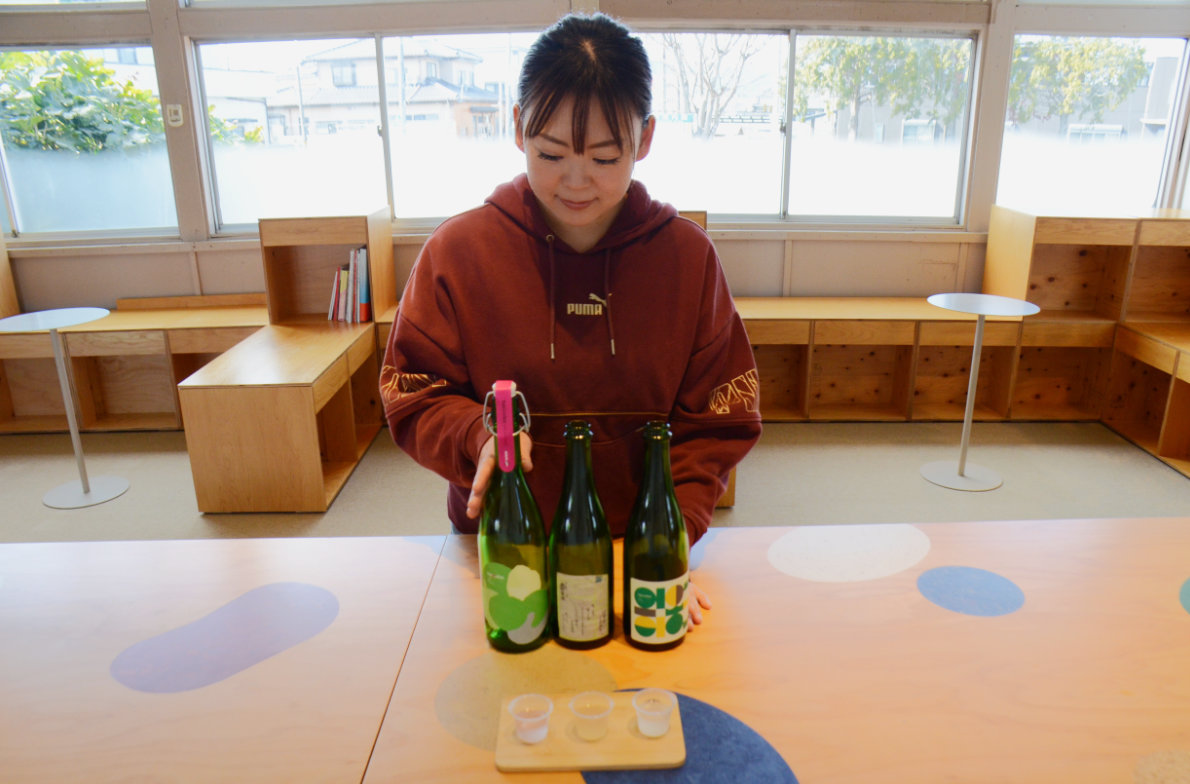
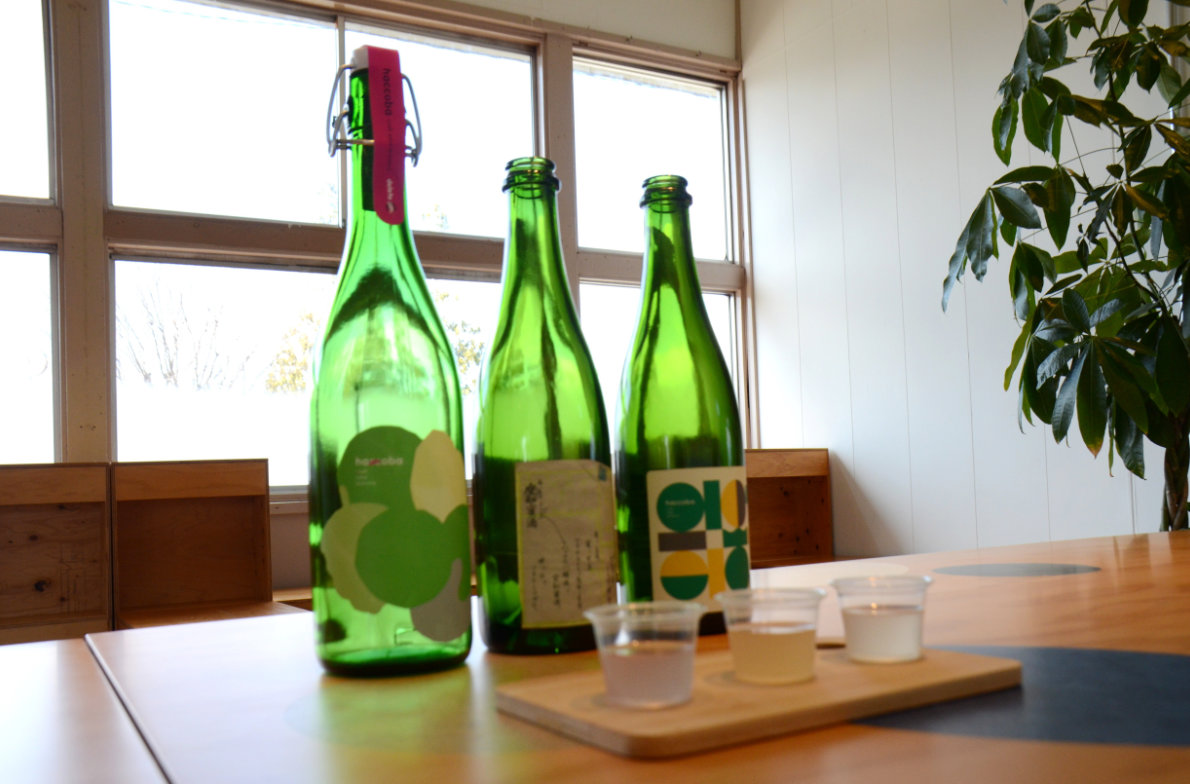
Visitors can sample sake here as well: one type free of charge, or three types for ¥500 — an exceptional opportunity to explore unique flavors. The space also serves as an information hub, helping travelers discover places to eat, explore, and enjoy throughout the Odaka area.
Fermentation as a Way of Life
In Fukushima, fermentation is not a niche interest or a passing culinary trend. It is a way of life — a cycle from seed to harvest, from koji to tank, from bottle to table.
From the long-established miso, soy sauce, and amazake makers of Minamisoma to the avant-garde craft sake bottles of Odaka, one thread connects them all: resilience.
The region has endured immense hardship, yet its fermentation culture has not faded. It has deepened.
To taste Fukushima is to taste both memory and momentum.
Come experience the strength and soul of Japan through its flavors.
For more about the fermented flavors and sake breweries on the Diamond Route, check out our previous article here:
https://diamondroutejapan.com/travelogue/post-sake-sampling.html